
Trolley
You have no items in your shopping cart

 Budgets
 Dumbers
 Discs
Discs
 Benches
 Racks and Rigs
 Weights Holders
 Isotonic machines
 Calisthenics
 Cardio
 Kettlebells
 Flooring
 Gym Set
 Accessories
 Combat
 ARTI MARZIALI
 CONTAINER GYM
 Tug-Of-War
 Used Gym Equipment
 PILATES MACCHINARI
 GINNASTICA ARTISTICA
 CAMPI DA PADEL
 Prodotti in Pronta Consegna
 Informazioni
 IRONMAN
 Gift Card
- Donatif
- General information
- 0 I like it
- 2248 Views
- 0 comments
- gym flooring, safety flooring, gym safety, shock-absorbing materials
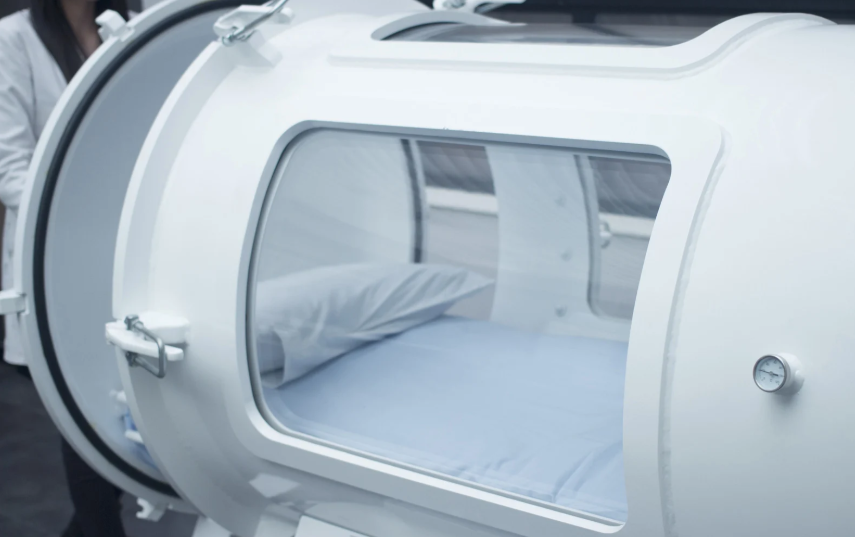
Portable Hyperbaric Chambers: Technical Features for Advanced Home Use
In recent years, portable hyperbaric chambers have attracted growing interest not only among medical professionals but also among athletes, biohackers, and individuals focused on physical recovery. The availability of models designed for home use has made this technology more accessible, but it has also increased the number of products on the market, many of which differ significantly in build quality, components, and performance. For this reason, comparing prices alone is one of the most common mistakes buyers make during the evaluation process.
Anyone considering investing in a home hyperbaric chamber should focus primarily on the technical features that directly affect safety, reliability, and the overall user experience. Structural materials, the pressurization system, air filtration, valve quality, and ease of maintenance are all factors that have a far greater impact than the initial purchase price. Understanding these aspects allows buyers to make a more informed decision and choose a solution that truly meets their needs.
- Why Technical Features Matter More Than Price
- How a Soft-Shell Hyperbaric Chamber Works
- Materials and Build Quality
- Air Filtration System
- How to Evaluate a Home Hyperbaric Chamber
- Comparing Available Models
- Why Quality and Safety Are Worth More Than Price
Why Technical Features Matter More Than Price
When it comes to portable hyperbaric chambers, price is only one of many factors to consider. Two models that appear similar may differ substantially in terms of material quality, pressurization accuracy, and component reliability. Evaluating a chamber based solely on its cost may cause buyers to overlook key aspects that directly affect everyday use and the long-term value of their investment.
Manufacturers that design equipment for continuous use typically invest heavily in research, quality control, and premium components. This results in greater pressure stability, stronger seam construction, more efficient filtration systems, and simplified maintenance. For athletes and advanced users, these features offer significantly greater value than short-term savings.
How a Soft-Shell Hyperbaric Chamber Works
Soft-shell hyperbaric chambers are designed to create a controlled pressurized environment using a dedicated compressor that gradually increases the internal pressure. The objective is to maintain stable and consistent operating conditions throughout the entire treatment session while ensuring both comfort and reliability.
Unlike rigid chambers commonly used in hospitals, portable models feature a flexible, high-strength structure that allows for relatively simple installation in residential settings. As a result, the quality of the pressure control system becomes essential for delivering consistent performance and an intuitive user experience.
Controlled Pressurization Principle
The pressurization system is the technological core of the entire unit. Compressors, valves, and control mechanisms must work together seamlessly to maintain the desired pressure without significant fluctuations. Stable pressure ensures predictable operating conditions and a comfortable experience throughout each session.
More advanced models include systems designed to regulate both the pressurization and depressurization phases gradually. This improves overall user comfort while increasing the reliability and longevity of the equipment.
Available Pressure Levels
One of the most frequently discussed specifications in portable hyperbaric chamber reviews is the maximum pressure level the chamber can achieve. However, this figure alone is not enough to determine overall product quality. Equally important is the chamber's ability to maintain that pressure consistently throughout the entire session.
Stable pressure depends on compressor quality, structural integrity, valve performance, and the overall engineering of the system. For this reason, technical specifications should always be evaluated as a whole rather than focusing solely on the maximum pressure rating advertised by the manufacturer.
Materials and Build Quality
Among all technical considerations, the materials used in a hyperbaric chamber are arguably the most important factor influencing long-term durability. The structure must withstand repeated pressurization cycles while maintaining its mechanical properties and ensuring a reliable seal over time.
Leading manufacturers typically use high-strength multilayer fabrics, reinforced seams, and carefully selected components designed to minimize wear caused by frequent operation. This approach helps preserve the chamber's performance even after years of regular home use.
Shell Materials
The quality of the outer shell is one of the most important elements to evaluate before purchasing a chamber. Durable materials not only provide superior structural strength but also contribute to maintaining stable internal pressure and improving overall comfort during treatment sessions.
Chambers built with premium materials generally offer greater long-term reliability, requiring less maintenance while providing better resistance to mechanical stress, repeated folding, and continuous use.
Zippers, Valves, and Components
Many buyers focus exclusively on chamber size or maximum pressure while overlooking seemingly minor components such as zippers, connectors, and valves. In reality, these parts experience the greatest mechanical stress during daily use and play a critical role in the overall reliability of the system.
High-quality components manufactured from durable materials and engineered for intensive operation help reduce maintenance requirements while ensuring consistently high performance throughout the product's lifespan.
Comments (0)