Maintaining a workout routine when everything goes smoothly is relatively easy. The real test comes when the week gets complicated, time becomes scarce, and mental energy drops. It’s precisely in these moments that many people stop completely, convinced that missing a few days means losing all progress. This approach, however, is the main obstacle to consistency.
Building a sustainable minimal routine means learning how to handle unexpected events without seeing every deviation as a failure. It’s not about being perfect, but about staying in motion even under less-than-ideal conditions. That’s where true consistency is built.
Why minimal routines fail right when you need them most
One of the most common mistakes is adopting an “all or nothing” mindset. If you can’t follow the full program, then you might as well do nothing. This way of thinking leads to a complete stop even for small disruptions, turning a temporary pause into full abandonment.
On top of that, there is the pressure of perfection. Many routines are built under ideal conditions and don’t account for real daily life. When the week becomes challenging, that routine becomes unsustainable and feels like a burden instead of support.
The “all or nothing” problem
Binary thinking is one of the biggest enemies of consistency. It leads you to interpret any deviation as total failure instead of a simple adjustment. This creates frustration and makes it harder to get back on track.
Adopting a more flexible mindset allows you to stay in control. Even a reduced version of your routine has value because it keeps the habit alive.
The pressure of perfection in consistency
Many people start with expectations that are too high, building routines that require constant time, energy, and motivation. But reality is full of fluctuations, and a rigid routine cannot adapt.
An effective routine is not the perfect one, but the one you can maintain even in less favorable moments.
The minimum threshold: the real balance point of consistency
The key concept is the minimum threshold: the lowest level of effort you are willing to maintain even during difficult weeks. It shouldn’t be ambitious, but realistic and sustainable.
This threshold represents your safety net. Even when everything else falls apart, that minimal action allows you to avoid completely breaking the chain.
Defining a truly sustainable routine
A sustainable routine takes your limits into account, not just your ambitions. It means designing something you can stick to even when you’re tired, busy, or unmotivated.
This approach reduces the risk of quitting and increases the likelihood of long-term consistency.
The difference between ideal and real routines
The ideal routine is the one you imagine under perfect conditions. The real routine is the one you can follow in everyday life. The gap between the two is often why people quit.
Accepting this difference is essential to building a system that actually works.
Difficult weeks are not exceptions, but part of the system
Many people treat difficult weeks as anomalies. In reality, they are part of normal life. Ignoring them when designing your routine means building something fragile.
An effective routine must be designed for those moments, not just for when everything works perfectly.
Anticipating obstacles instead of reacting to them
Expecting that tough days will come allows you to prepare alternatives. This reduces decision fatigue and makes it easier to maintain the habit.
It’s not about avoiding obstacles, but about integrating them into your system.
Building a routine that survives chaos
A resilient routine is one that can shrink without disappearing. Even a few minutes of activity can make a difference if they keep the rhythm alive.
This approach turns consistency into something stable and manageable.
Bridge routines and flexible rules: how to avoid breaking the flow
Bridge routines are simplified versions of your main routine. They are designed for days when you can’t do everything but still want to keep the habit alive.
Flexible rules allow you to adapt your workout to circumstances without feeling guilty for modifying your plan.
What to do on days when you “can’t”
Instead of skipping entirely, you can reduce the effort. Even a short session has value if it keeps the habit active.
This completely changes how you perceive difficulty, making it more manageable.
The concept of minimum consistency
Consistency doesn’t depend on intensity, but on presence. Doing a little is always better than doing nothing, especially in the long term.
This principle is the foundation of every sustainable routine.
Practical checklist to maintain your routine during difficult weeks
When the week gets complicated, having a simple guide can make all the difference. A maintenance checklist helps reduce uncertainty and maintain focus.
You don’t need to do everything perfectly. Following a few key actions is enough to avoid interruption.
Micro-actions that save the habit
Even a few minutes of activity can keep your routine alive. The important thing is not to break the cycle completely.
These micro-actions act as a bridge between easy and difficult moments.
Reducing friction and mental resistance
The easier it is to start, the more likely you are to do it. Reducing both practical and mental obstacles is essential for consistency.
This includes simplifying preparation and lowering expectations during critical moments.
Small tools like a training mat or resistance bands can make it easier to get started. They’re not essential, but they help lower the activation threshold.
These elements act as visual cues and action facilitators.
Objects that lower the activation threshold
Having everything ready and accessible reduces the time between decision and action. This is especially useful during moments of low motivation.
The more supportive your environment is, the more automatic your routine becomes.
The role of rituals in stability
Rituals help create consistency regardless of external conditions. Repeating the same action in the same context strengthens the habit.
Over time, this turns your routine into something natural and less dependent on motivation.


 Budgets
 Dumbers
 Discs
 Benches
 Racks and Rigs
 Weights Holders
 Isotonic machines
 Calisthenics
 Cardio
 Kettlebells
 Flooring
 Gym Set
 Accessories
 Combat
 ARTI MARZIALI
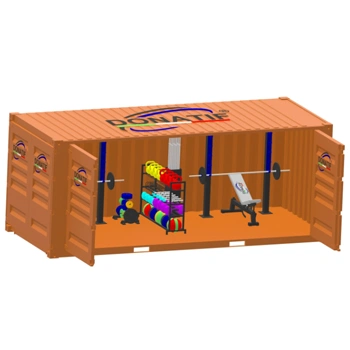 CONTAINER GYM
 Tug-Of-War
 Used Gym Equipment
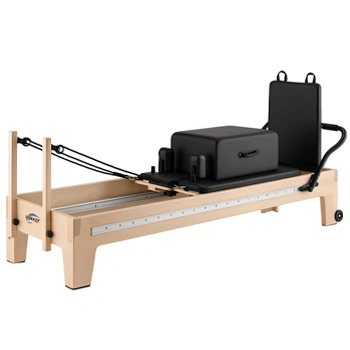 PILATES MACCHINARI
 GINNASTICA ARTISTICA
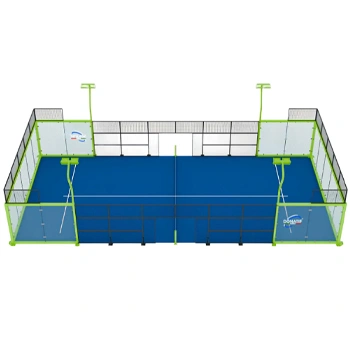 CAMPI DA PADEL
 Prodotti in Pronta Consegna
 Informazioni
 IRONMAN
 Gift Card