Cycling
Discounts and Promotions on Cycling
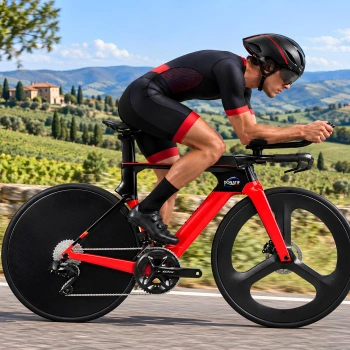
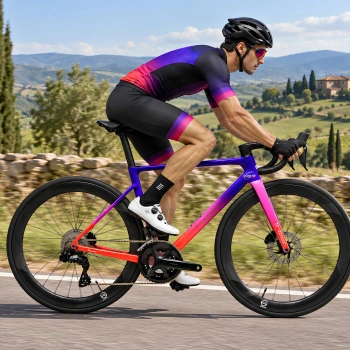
Discover Donatif ’s selection dedicated to cycling, featuring bikes and helmets for those who ride during training, on road rides, or as part of multisport training. Browse the available products and any promotions to find the gear that best fits your cycling lifestyle.
This category brings together products with different but closely related functions: the bike is the heart of cycling, while a bike helmet is a piece of personal gear that requires careful consideration. The individual product pages allow you to explore features, sizes, and available configurations in detail before making a purchase.
Browse our Cycling Catalog
Bikes for Cycling
When choosing a bike for cycling , the most important factor is its intended use. A cyclist looking for a bike for road rides may have different needs than someone who incorporates cycling into a multisport training program. Training frequency, distances covered, and the desired riding position are factors that should be considered in relation to one another. For this reason, it’s best to evaluate the features of each model rather than basing your choice on a single parameter.
In cycling, the relationship between the rider and the bike directly affects the riding experience. The correct frame size and a configuration tailored to individual characteristics help ensure a riding position best suited to your needs. In the catalog, it is therefore helpful to compare the information provided in the specifications of the various sports bikes, checking the measurements, components, and stated intended use for each product. A careful review of the technical data allows you to narrow down your choices more effectively.
How to Choose a Bike Based on Intended Use
When choosing a road bike, it’s helpful to start with a simple question: how will it be used most frequently? Regular training sessions, longer rides, and specific training for an Ironman may lead you to consider different configurations. Your level of experience also matters, because beginners may have different priorities than cyclists who already know their preferred riding position and bike characteristics. You should therefore evaluate the bike as a whole, rather than focusing on a single component or technical specification.
Another factor to consider is the bike’s size. Height and body proportions are useful guidelines, but the choice shouldn’t automatically be reduced to a single generic value. When available, size charts and model-specific guidelines help you better interpret the measurements. Before purchasing, it’s also a good idea to carefully check the configuration listed in the product specifications, especially when comparing bikes intended for different uses.
Bike Helmets for Training and Road Rides
When selecting a bike helmet, the first considerations should be compatibility with your intended use and proper fit. When shopping, be sure to check the manufacturer’s specifications regarding sizes, adjustment systems, and model-specific features. A helmet intended for frequent use must fit the head properly according to the instructions provided for that product. Ventilation, weight, and shape can also be important factors depending on the type and duration of your rides.
For those who cycle regularly, a helmet accompanies short training sessions, longer rides, and sessions in various environmental conditions. The choice should therefore not be based solely on aesthetics. It is more useful to compare cycling helmets based on the features listed in their product descriptions, determining which ones best meet your needs. In the case of the Ironman, factors related to the discipline and the athlete’s preferences during the cycling segment also come into play.
Helmet Size, Fit, and Features
Choosing the right size for a bike helmet requires checking the sizing guidelines for the specific model. Head circumference is typically used as a reference when comparing sizes against the manufacturer’s specifications, but it’s essential to follow the instructions provided with the product. Adjustment systems allow you to fine-tune the helmet within the size range. However, adjustments do not replace the initial selection of the appropriate size.
When comparing multiple models, it’s also helpful to read the information regarding the helmet’s construction, ventilation, and adjustment features. These details help distinguish between products that, at first glance, might seem very similar. For those engaging in extended rides, comfort during use can also be a key factor in the decision-making process. The actual features of each model should always be verified in the product specifications for that specific cycling helmet.
Equipment for the Cycling Segment
In triathlon, cycling is one of the three disciplines, along with swimming and running. The choice of cycling gear should therefore be part of a broader training plan, in which time, distance, and the management of the various segments influence individual needs. Beginners can start with the essentials and refine their setup later. A more experienced athlete, on the other hand, might look for more specific features tailored to their training.
A bike must be evaluated based on the context in which it will actually be used. Not all riders cover the same distances, follow the same training programs, or seek the same riding position. For this reason, the category page offers an initial gateway to the products, while the product pages allow you to review the available features in detail. The same principle applies to helmets and other items related to the cycling segment.
Bikes and Helmets in Triathlete Training
Bikes and helmets serve different functions but are part of the same context of use. The bike must be suited to the athlete’s characteristics and the type of activity planned; the helmet, on the other hand, requires careful selection of the size and adjustment in accordance with the manufacturer’s instructions. Evaluating these products together allows you to gradually build the equipment dedicated to the cycling portion of your training. There’s no need to make every decision in a single purchase.
Those who alternate between cycling and multisport training may also have needs that change over the course of the season. The first few sessions can help you better understand your riding position, typical distances, and personal preferences, providing useful guidance for future purchases. A cycling-specific catalog allows you to compare products within the same category without losing sight of the differences in their intended uses. This is a practical approach, especially when building out your gear over time.
How to Choose Cycling Gear
Choosingcycling gear starts with the cyclist’s specific needs. Before comparing products, it’s best to define how often you’ll use them, the type of route you’ll ride, and your personal goals. When it comes to the bike, size, configuration, and component features come into play; for helmets, however, size, adjustability, and model-specific details are particularly important. Separating these criteria makes comparison easier and reduces the risk of choosing based solely on aesthetics.
Price naturally remains one of the factors considered during the purchase, but it should be evaluated alongside the features actually offered. Two products in the same category may address different needs and have different specifications. For this reason, it is best to compare the technical information available in the catalog at Donatif and verify the details listed for each item. This ensures the choice is better suited to the intended use, whether for road cycling or Ironman training.
Evaluating Technical Specifications and Product Sheets
The product sheet is the go-to resource for understanding the actual features of the item you’re considering. Before buying a bike, it’s a good idea to check the available information on the model’s dimensions, configuration, and components. In the case of a helmet, you should especially verify available sizes, size ranges, and adjustment methods. Specifications can vary from one item to another, so it’s not advisable to automatically assume that the features of one model apply to the entire category.
A thoughtful comparison also helps you distinguish between what you truly need and what doesn’t suit your typical use. Someone who rides for training on the road may have different priorities than someone preparing for a multisport race, just as a beginner might seek a different setup than a more experienced athlete. Browsing the catalog with specific criteria in mind helps you navigate the selection of bikes, bike helmets, and accessories while keeping your personal needs in focus.
Frequently Asked Questions About Cycling
Which bike should I choose for cycling?
The choice depends on the intended use, level of experience, and the cyclist’s individual characteristics. It is therefore always advisable to consult the bike’s technical specifications before purchasing.
Beginners should prioritize a configuration that aligns with their typical training routines and distances, avoiding features they won’t actually use. With experience, it becomes easier to identify personal preferences regarding riding position and components. Choosing the correct size is also crucial. The model’s size specifications serve as the reference point for comparison.
How do you choose the right size for a bike helmet?
To determine the correct helmet size, compare your measurements with the size range specified for that specific product. Helmets may have adjustment systems, but these operate within the ranges specified by the model. It is therefore necessary to start with the appropriate size and follow the manufacturer’s instructions to put on and adjust the helmet correctly. The information provided in the product specifications should take precedence over general guidelines.
In addition to size, you can evaluate the helmet’s shape, ventilation, and stated construction features. The intended use helps determine which aspects are most important to the individual cyclist. Those who spend many hours on their bikes may have different needs than those who ride only occasionally. Comparing models thus allows you to consider both fit and functional features at the same time.
What equipment is needed for the cycling segment?
The cycling segment requires a bike suitable for the discipline and the equipment needed to ride under the conditions specified by the competition. The bike and helmet are two key elements to consider, but requirements and permitted equipment may vary depending on the race and its specific rules. Before a competition, it is therefore necessary to consult the official rules applicable to the event. When purchasing products, however, you should check the specifications listed on the individual product pages.
During training, it’s helpful to choose your gear based on your actual needs and the experience you’ve gained on the bike. The distances covered, the frequency of your training sessions, and your personal preferences can all influence the features you’re looking for. The catalog dedicated to cycling and Ironman lets you start with the main product categories and then explore individual items in more detail.


 Budgets
 Dumbers
 Discs
Discs
 Benches
 Racks and Rigs
 Weights Holders
 Isotonic machines
 Calisthenics
 Cardio
 Kettlebells
 Flooring
 Gym Set
 Accessories
 Combat
 ARTI MARZIALI
 CONTAINER GYM
 Tug-Of-War
 Used Gym Equipment
 PILATES MACCHINARI
 GINNASTICA ARTISTICA
 CAMPI DA PADEL
 Prodotti in Pronta Consegna
 Informazioni
 IRONMAN
 Gift Card