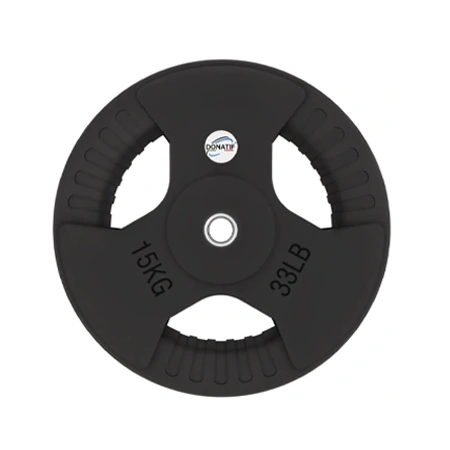
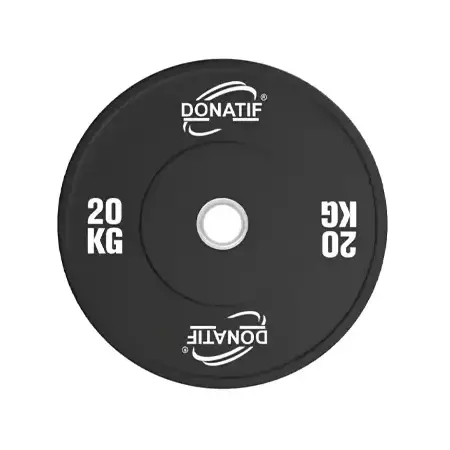
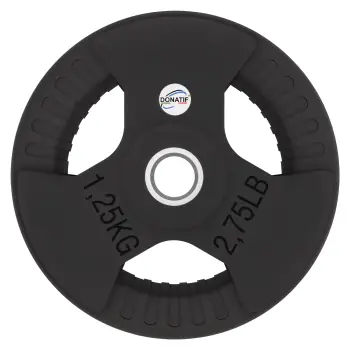
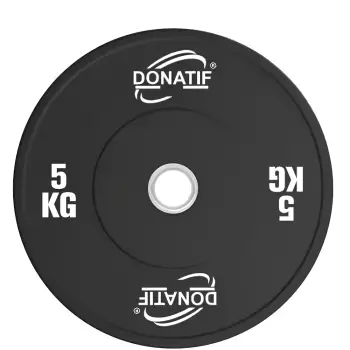
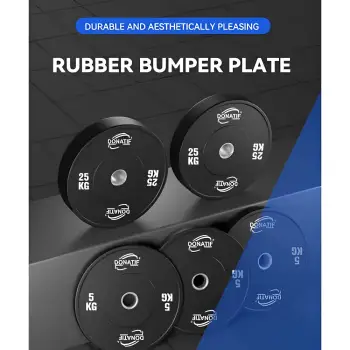
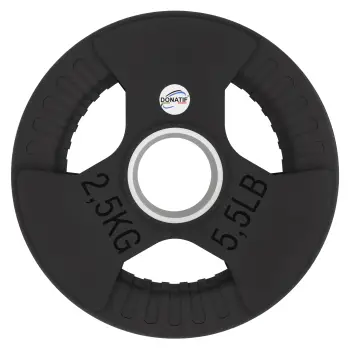
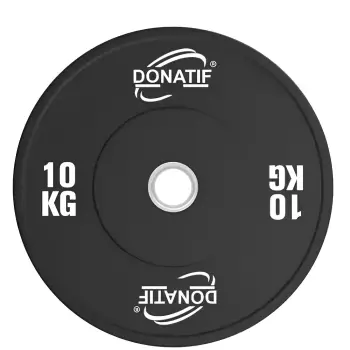
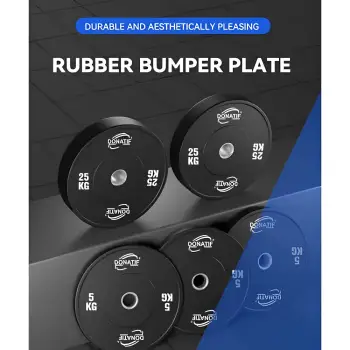
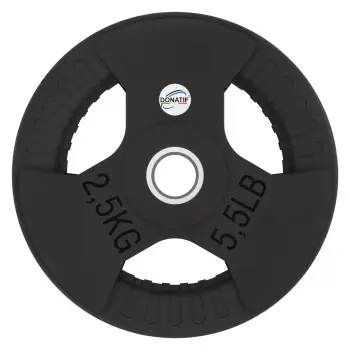
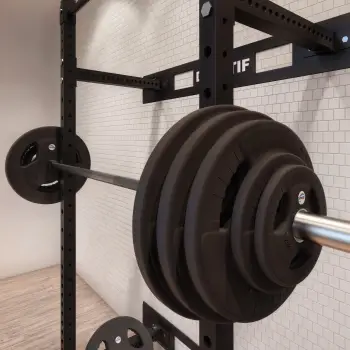
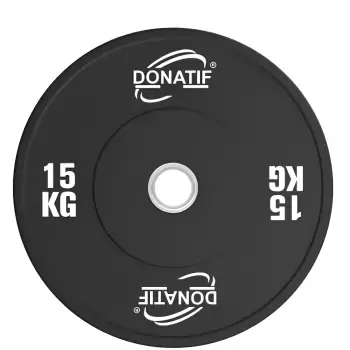
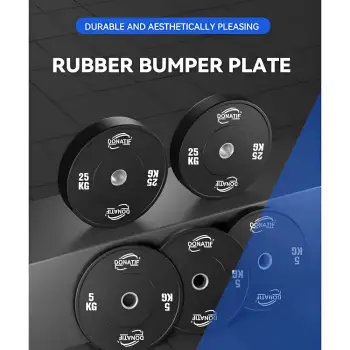
The range of gym discs covers different needs in terms of materials, standards and intended uses. The classic cast iron discs favor density and durability, offering excellent price/kg ratio and solid feeling on loading. Rubberized discs add protection for floors and equipment, improve grip during handling and reduce noise in domestic environments. For lifts with controlled fall, high-density rubber bumper discs maintain uniform diameter, absorb impacts and safeguard the barbell and surface.
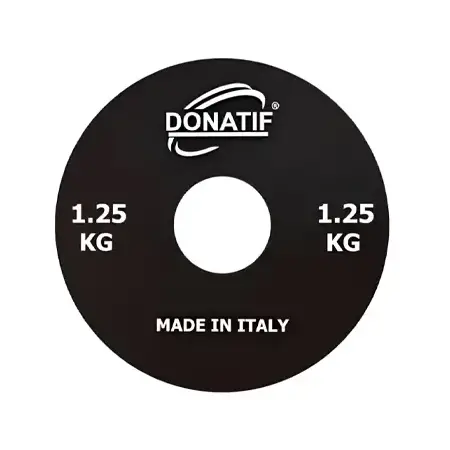
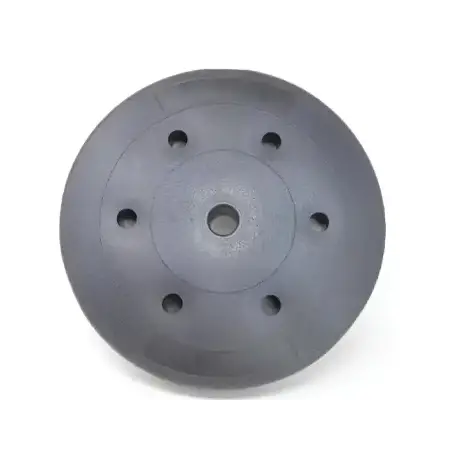
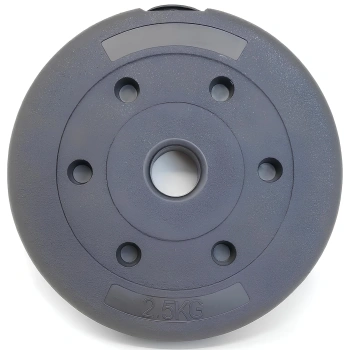
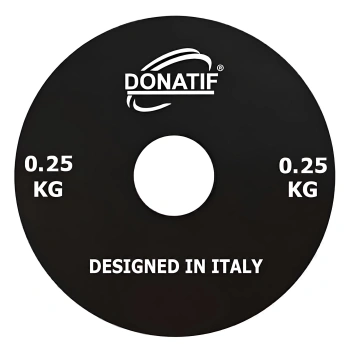
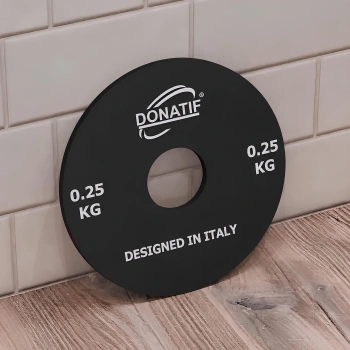
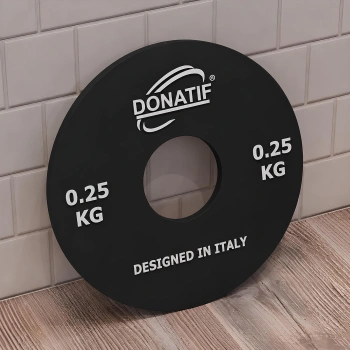
For minimal increments, microloads (platelets from 0.25–1.25 kg) allow effective progression by avoiding stalls. In educational or rehabilitation contexts, there is space for PVC discs, light and easy to handle, also useful for training in technique. Powerlifting and weightlifting practitioners prefer calibrated discs for tight tolerances and color-coded. The correct choice comes from the intersection between the sport practiced, training surface and budget, with the aim of obtaining weight plates consistent with your real workload.
Barbell Discs: Sizes, Holes and Compatibility
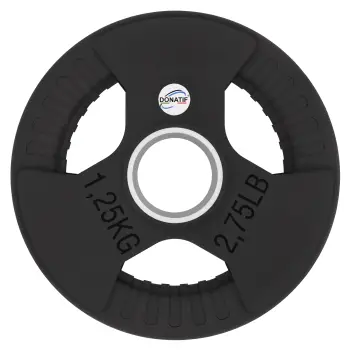
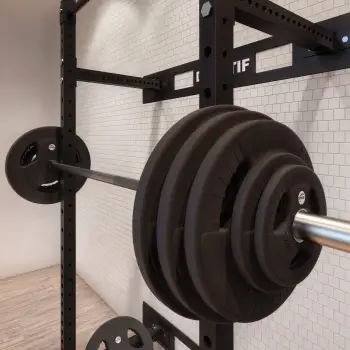
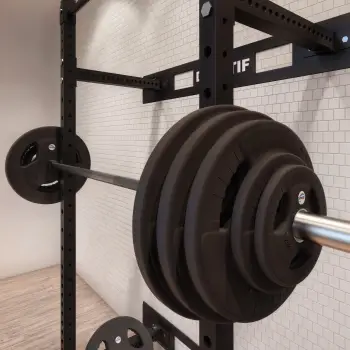
Barbell plates are distinguished above all by the diameter of the hole: 28/29 mm for domestic standards, 50 mm for Olympic standards. Always check the compatibility between barbell weights and rod sleeves to avoid play and wear. The collar locks the discs and stabilizes the load; in the absence of it, the risk of slipping increases. Also consider the thickness: bumper discs take up more space on the sleeve, which is critical when loading 20 kg discs or higher cuts for heavy lifts.
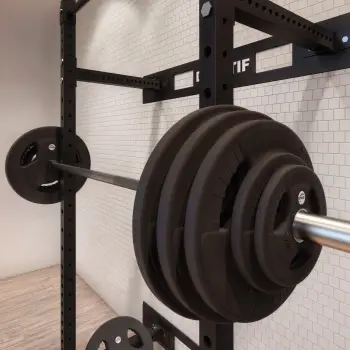
Symmetrical weight distribution is mandatory. Load the barbell in mirrored pairs and place larger cuts inside for convenience. For quick calculation of the total load, it adds the weight of the barbell (often 15–20 kg in the most common models) to the mounted rocker plates . Follow standard procedures: barbell on rack, barbell discs loaded to the stop, collars tightened. This routine reduces errors and makes the workout repeatable.
Dumbbell and Home Gym Discs
Dumbbell plates transform a pair of threaded or collared rods into a versatile tool for training your arms, shoulders and back. Changing cuts quickly allows you to adapt the intensity to different exercises, optimizing the session without multiplying the equipment. From a home gym perspective, kits with disc weights and collars represent the most efficient solution in terms of cost, size and progression.
For beginners, a gym disc set with 1–2–5–10 kg cuts already covers most of the basic exercises. As experience increases, integrate microloads to advance in small steps and add intermediate cuts to keep the technique clean. The goal is not just "how much weight", but "what control" over movement: a modular set-up of gym plates allows constant progress with clear perception of the load.
Weights, Cuts and Load Progressions
Discs of various weights cover typical cuts from 0.5 to 25 kg, with colors or markings for quick recognition. Planning progression means defining sustainable increases: +2.5 kg total with microloads is often the optimal threshold for maintaining technique and speed. In strength cycles, alternate between weeks of build-up and unloading to manage fatigue. From a bodybuilding perspective, the progression of load remains a pillar, but the quality of the mechanical stimulus and the repetition range make the difference.
Plan the load on the barbell before the set. Add the cuts per side and double-check the collars. If sleeve space is a limit, consider thinner powerlifting or calibrated plates . In garages, gyms or shared rooms, prefer rubberized discs to reduce vibrations and noise. Choose the right compromise between ergonomics, thickness and budget, remembering that a consistent set of gym weight plates makes training more precise.
Safe Use and Training Guidelines
Training with barbell plates requires clear procedures: rack load at the correct height, place your feet in stability, use collars on both ends. Avoid twisting with the barbell already loaded and always clear the area of movement. In technical work with bumper discs , perform falls on suitable flooring and not on hard surfaces. Safety is a habit that protects equipment and continuity of your program.
If strength is the goal, keep buffer manageable and balance volume and intensity. For hypertrophy he works on tense times and eccentric control. Microloads are the weapon to overcome stalls without distorting the technique. The quality of the setup is worth as much as the kg loaded: focus on trajectory, breathing and positioning of the feet, so your weight discs become a precise tool and not an end.
Care, Cleaning and Storage
Maintenance preserves the value and safety of your gym records. For cast iron models, remove dust, wipe away moisture, and periodically apply a film of mineral oil to exposed parts to prevent rust. Rubberized discs are cleaned with a damp cloth and neutral detergent, avoiding aggressive solvents. Store weights on dedicated racks to avoid bumps and chips, and check weight markings to maintain legibility.
In damp rooms, use anti-shock flooring and basic dehumidification. Do not store barbell plates directly on wet concrete. Periodically check the collars and the condition of the barbell sleeves: a clean fit reduces friction and extends the life of the equipment. Regular care is cheap and maintains performance and safety over time.
Buy Online on Donatif
On Donatif you will find a wide selection of online gym discs with clear technical sheets: material, hole diameter, thickness, weight tolerance and intended use. Filters help you quickly compose a homogeneous set of gym discs . If you are assembling a home gym, start with the essential cuts and progressively add the most used weights; If you're running a facility, evaluate multiple sets and stock for the busiest time slots.
Customer service supports you in choosing between standard or Olympic barbell plates , bumper weightlifting plates , calibrated powerlifting plates and dumbbell plates for circuits. Integrates with additional disc weights and microloads to prevent excessive jumping. Secure payments, tracked shipping and after-sales support complete the experience.
FAQ
What are the discs called in the gym?
They are called weight discs or "plates". Depending on the use, they are divided into cast iron discs, rubberised discs, bumper discs with a uniform diameter, calibrated discs for powerlifting and microloads for minimum increments.
How to put weights on barbell?
Place the pole on the rack at the right height, load the barbell plates in pairs as far as they will go, then lock with safety collars on both sides. Check the symmetry of the load and do not move with the barbell already loaded to reduce the risk of instability.
What types of discs are there?
The main types are: cast iron for strength and cost/kg, rubberized for protection and grip, bumpers for lifts with controlled fall, calibrated with reduced tolerance for competitions, PVC for teaching and rehabilitation, as well as microloads for fine progressions.
What is the right hole diameter for my barbell?
Standard discs have 28/29 mm holes, while Olympic discs use 50 mm. Always match the bore and sleeve of the rod and use compatible collars to avoid play and wear of the material.
How to clean gym discs?
Use mild soap and water with a soft cloth, then dry thoroughly. On cast iron discs, he occasionally applies a film of mineral oil to limit rust; On rubberized discs , avoid aggressive solvents and prefer mild detergents.
What are bumper discs used for?
They are designed for weightlifting and powerlifting with the possibility of release on the ground. The uniform diameter and high-density rubber absorb impact and protect the barbell and floor, reducing noise and vibration.


 Budgets
 Dumbers
 Discs
Discs
 Benches
 Racks and Rigs
 Weights Holders
 Isotonic machines
 Calisthenics
 Cardio
 Kettlebells
 Flooring
 Gym Set
 Accessories
 Combat
 ARTI MARZIALI
 CONTAINER GYM
 Tug-Of-War
 Used Gym Equipment
 PILATES MACCHINARI
 GINNASTICA ARTISTICA
 CAMPI DA PADEL
 Prodotti in Pronta Consegna
 Informazioni
 IRONMAN
 Gift Card