Outdoor Rubberized Flooring
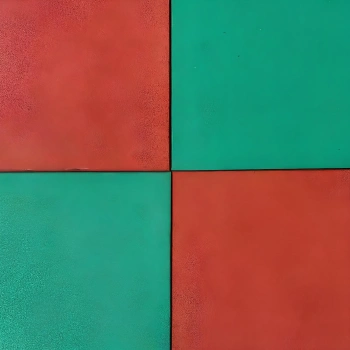
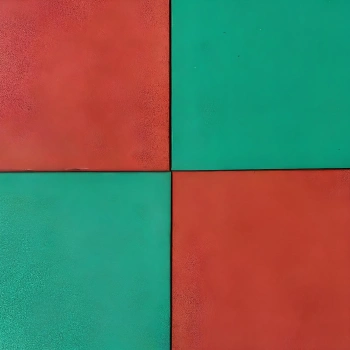
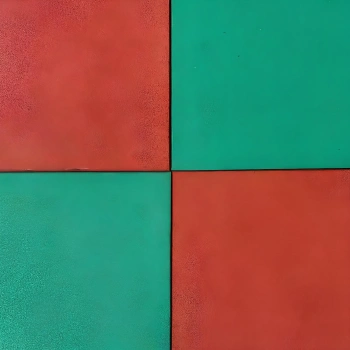
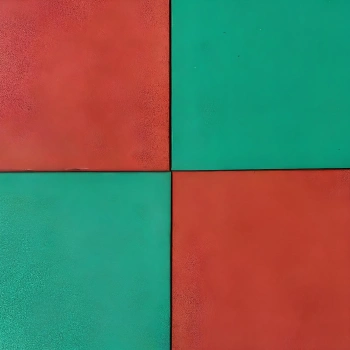
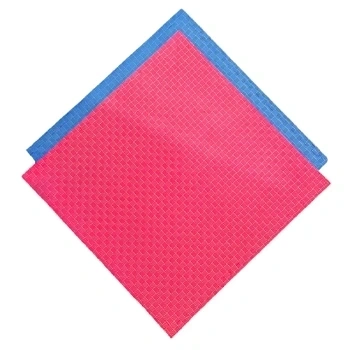
Outdoor rubber flooring is used when you need a stable, non-slip base that is more comfortable than traditional hard surfaces. It is used in outdoor fitness areas, walkways, shared residential spaces, gardens and surfaces for dynamic activities. Tiles and sheets in different thicknesses let you meet very different needs while staying within a consistent technical approach.
This category includes products designed for outdoor use, with a structure suited to continuous use and changing weather conditions. The term outdoor rubber flooring refers to a surface designed to offer grip, reduced impact on the ground and easier day-to-day maintenance. The right choice depends above all on the context: sports area, private space, play area or multi-purpose surface.
Why choose outdoor rubber flooring
Outdoor rubber flooring is chosen when you need to improve the quality of the surface underfoot without invasive work. Compared with a hard surface, rubber makes walking more controlled, reduces the feeling of hardness and helps create an environment better suited to repeated activities. In an outdoor space this affects both perceived comfort and everyday usability of the area.
Another important factor is versatility. Outdoor rubber flooring can be used in sports, technical or residential settings with good aesthetic and functional continuity. For anyone managing a home gym area, an equipped courtyard or a shared residential surface, modular formats and different thicknesses mean you can work more precisely, adapting the product to the actual use and not to a generic standard size.
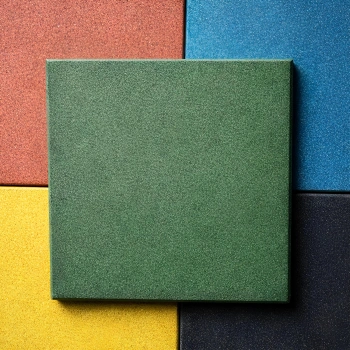
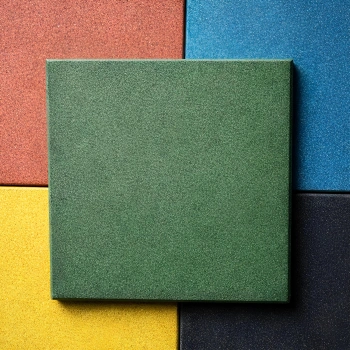
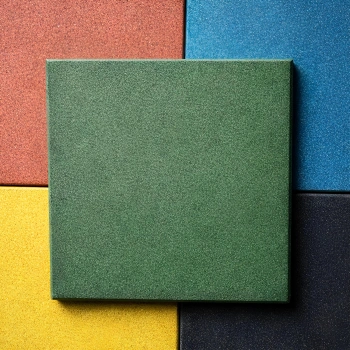
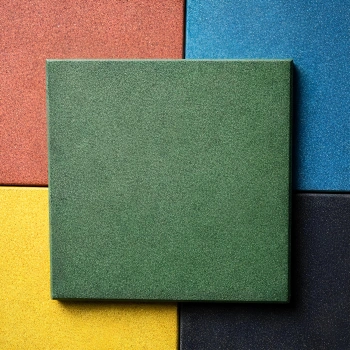
One of the key points of the category is the availability of several formats. Modular tiles are often preferred when you want to cover a surface in an orderly, manageable way, while sheets can be useful for more linear installations or projects with specific continuity requirements. The shape of the product affects installation, the layout of the space and how the load is distributed.
The thickness of outdoor rubber flooring also plays a practical role in the choice. A thinner option may be enough for light use or for surfaces where grip matters most; a greater thickness is better suited when intensity of use, equipment weight or the need for cushioning increase. That is why the category is broad: not a single standard, but several options for different contexts.
Where to use outdoor rubber flooring
Outdoor rubber flooring is a natural fit for outdoor fitness areas. In these spaces the surface must provide stability during bodyweight exercises, functional circuits, use of benches or equipment and work with moderate loads. A suitable base helps define the working area better and makes the space tidier visually as well.
The same material is also suitable for gardens, terraces, courtyards and common areas. In these cases it is not only about sport, but also about the practicality of a surface that makes the space easier to use. Outdoor rubber tiles can be considered in residential settings, in walkways or in areas where you want a safer, less rigid base than traditional paving exposed to the elements.
Weather resistance and safety
When it comes to outdoor use, the most common question is how the material behaves in rain, sun and temperature changes. Outdoor rubber flooring should be chosen with these variables in mind, because its role does not end with the initial installation but continues over time. Surface durability, evenness underfoot and grip are factors carefully considered by anyone designing a functional outdoor space.
Safety concerns both movement and everyday use. A non-slip outdoor surface can be useful in areas exposed to moisture, frequent foot traffic or dynamic activities. Where there are children, equipment, weights or simply constant use, rubber is a technical solution often considered because it combines practicality, stability and better management of ground contact than more rigid materials.
How to choose the right flooring
To choose outdoor rubber flooring correctly, the first criterion is the intended use. An area for light training does not require the same characteristics as a zone where equipment, machines or supports subject to higher loads are placed. Frequency of use also matters: a surface used occasionally may call for different solutions than a space active every day.
The second criterion is the combination of format and thickness. Outdoor rubber tiles offer good modularity and make it easier to handle surfaces of different sizes, while different thicknesses help balance protection and comfort. In a category like this, variety is not a commercial detail: it is the most correct way to meet technical needs that change from one space to another.
Frequently asked questions about Outdoor Rubberized Flooring
Is outdoor rubber flooring suitable for rain?
Yes, outdoor rubber flooring is normally chosen precisely for settings exposed to the elements. The right assessment depends on the type of surface, the subfloor and the intended use, but the aim of this category is to offer products designed for outdoor spaces, where grip and practicality are central.
Which thickness should I choose for an outdoor fitness area?
The thickness of rubber flooring should be defined according to the intensity of use, the presence of equipment and the level of protection required. That is why the category includes several thicknesses: a thinner option can suit light use, while greater thicknesses are better suited to technical settings and areas subject to heavier stress.
Can outdoor rubber tiles be used on terraces and in gardens?
In many cases, yes. Outdoor rubber tiles are often considered for terraces, gardens, courtyards and multi-purpose surfaces, because they let you organise the space in a modular way. Actual compatibility always depends on the subfloor and the final use, but it is one of the most requested applications of outdoor rubber flooring.
Is outdoor rubber flooring suitable for rain?
Outdoor rubber flooring is generally chosen for spaces exposed to the elements. Performance depends on the type of product, the subfloor and the intended use, but the category is designed for settings where grip, practicality and outdoor use are key requirements.
Which thickness should I choose for an outdoor fitness area?
Thickness should be assessed according to the intensity of use, the weight of the equipment and the level of protection required. Having several thicknesses in the category lets you choose a solution more consistent with the expected load and the type of activity carried out outdoors.
Can outdoor rubber tiles be used on terraces and in gardens?
Outdoor rubber tiles are often used on terraces, in gardens, courtyards and multi-purpose spaces as well. The choice should always take into account the subfloor and the real use of the surface, but it is a modular solution suited to many outdoor settings.


 Budgets
 Dumbers
 Discs
 Benches
 Racks and Rigs
 Weights Holders
 Isotonic machines
 Calisthenics
 Cardio
 Kettlebells
 Flooring
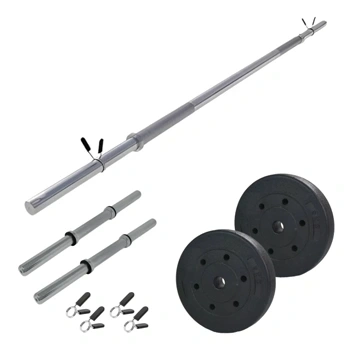 Gym Set
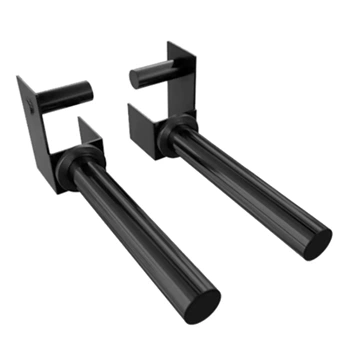 Accessories
 Combat
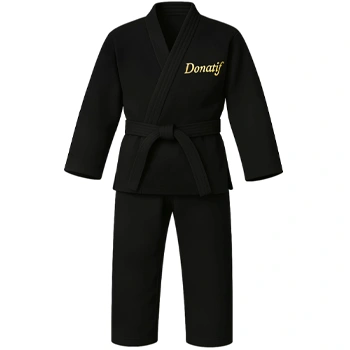 ARTI MARZIALI
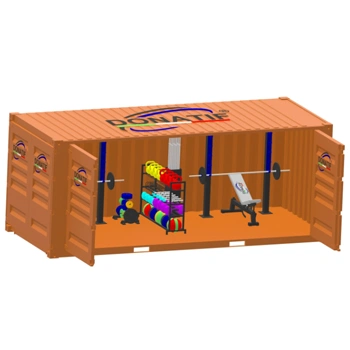 CONTAINER GYM
 Tug-Of-War
 Used Gym Equipment
 PILATES MACCHINARI
 GINNASTICA ARTISTICA
 CAMPI DA PADEL
 Prodotti in Pronta Consegna
 Informazioni
 IRONMAN
 Gift Card