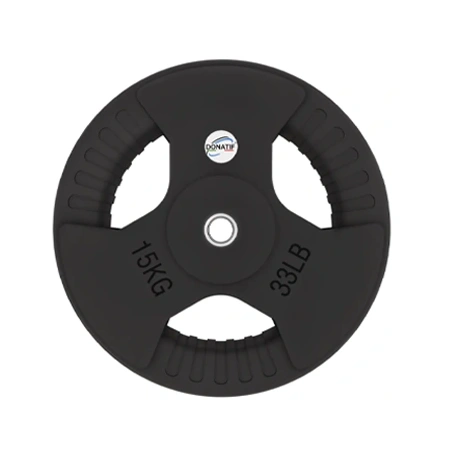
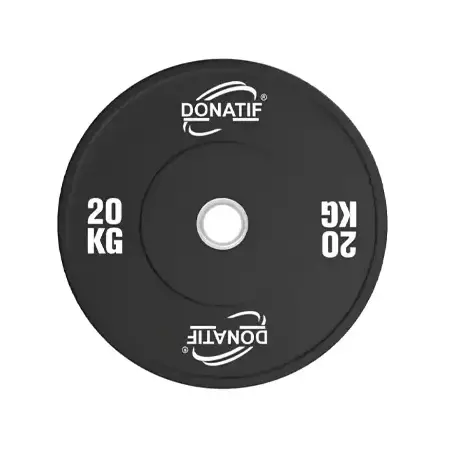
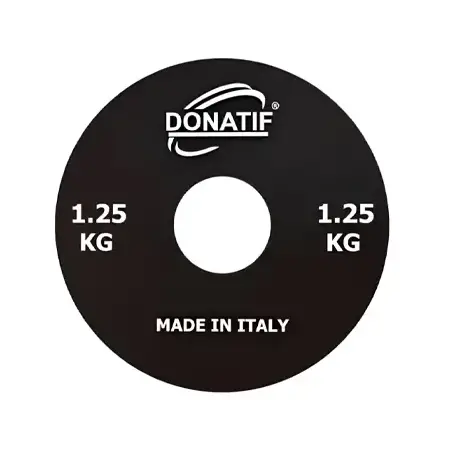
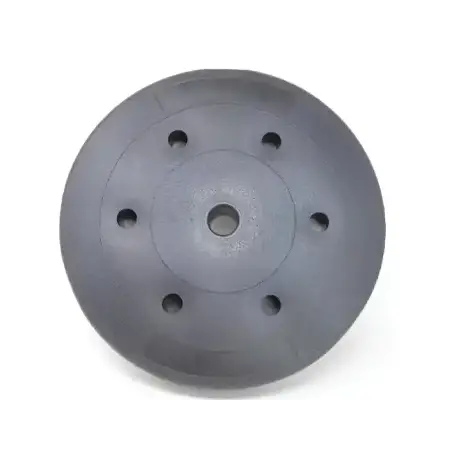
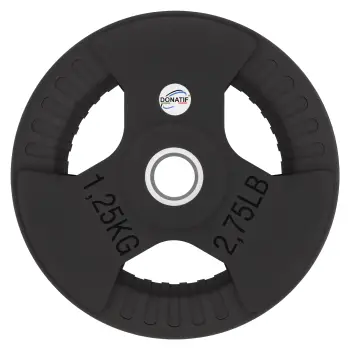
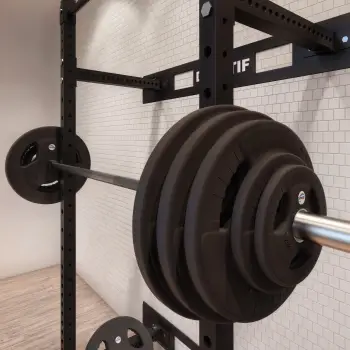
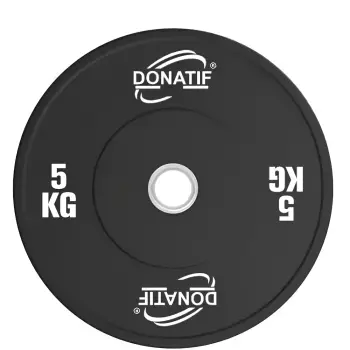
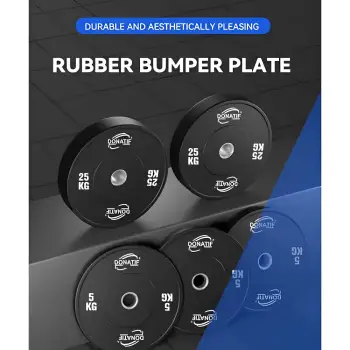
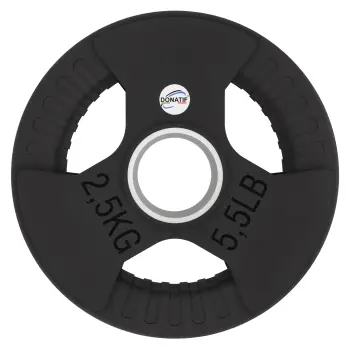
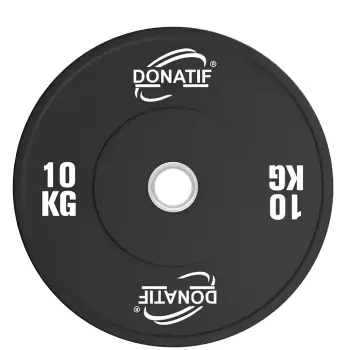
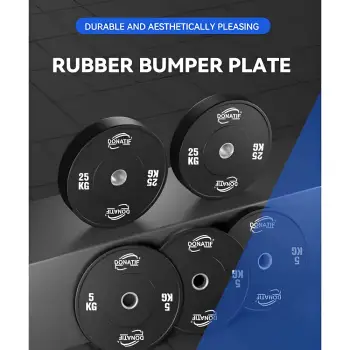
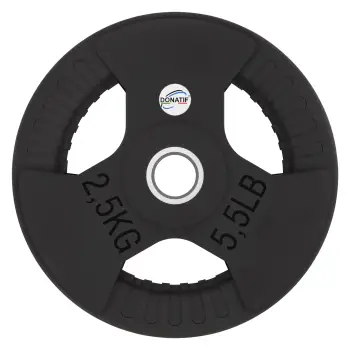
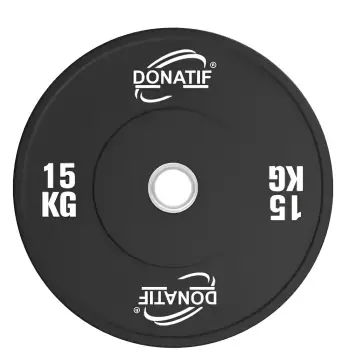
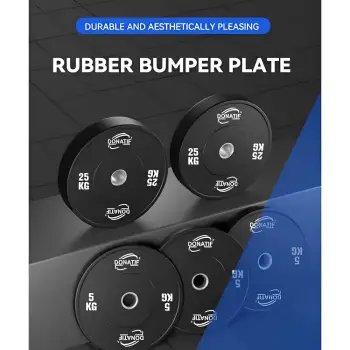
The range of gym weight plates covers different needs in terms of materials, standards and intended use. Classic cast iron plates favour density and durability, offering an excellent price per kg and a solid feel when loading. Rubber-coated plates add protection for floors and equipment, improve grip when handling and reduce noise in home environments. For lifts with a controlled drop, bumper plates in high-density rubber keep a uniform diameter, absorb impact and protect the barbell and the floor.
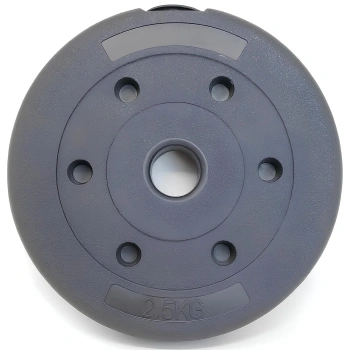
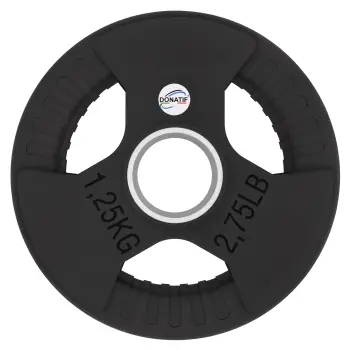
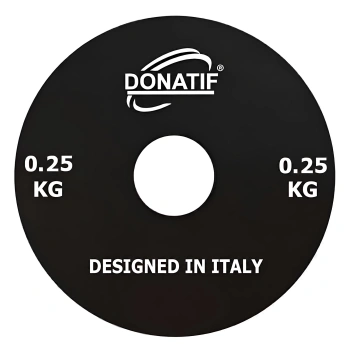
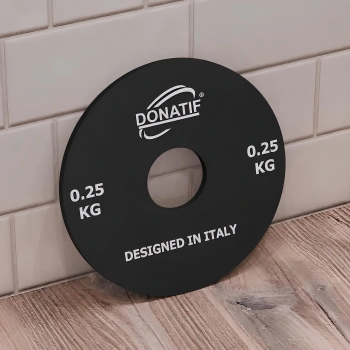
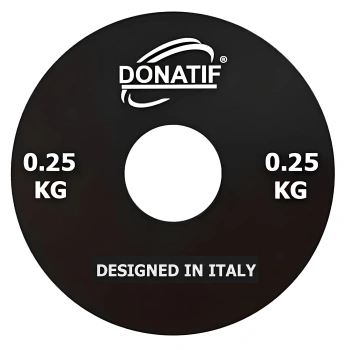
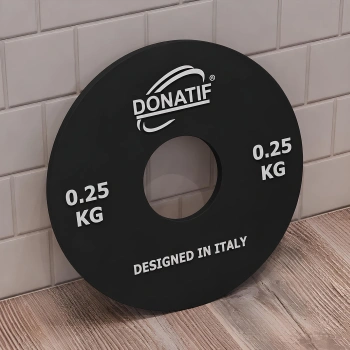
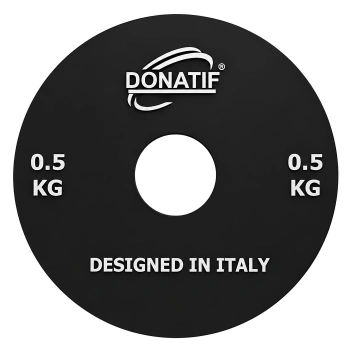
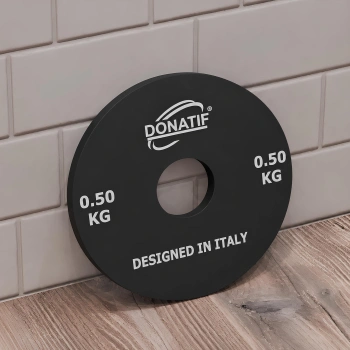
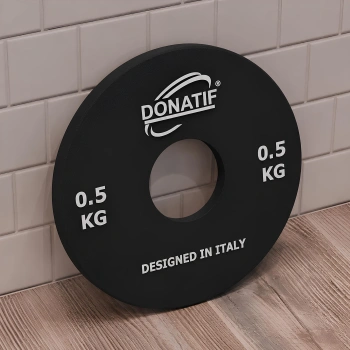
For minimal increases, micro plates (fractional plates of 0.25–1.25 kg) allow effective progression and help you avoid plateaus. In teaching or rehabilitation settings, PVC plates are light and easy to handle, and are also useful for learning technique. Those who practise powerlifting and weightlifting prefer calibrated plates for their tight tolerances and colour coding. The right choice comes from weighing up the sport you practise, your training surface and your budget, with the aim of getting weight plates that match your real working load.
Barbell Plates: Sizes, Holes and Compatibility
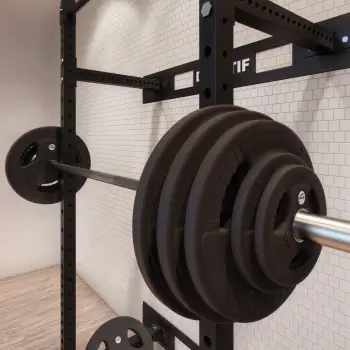
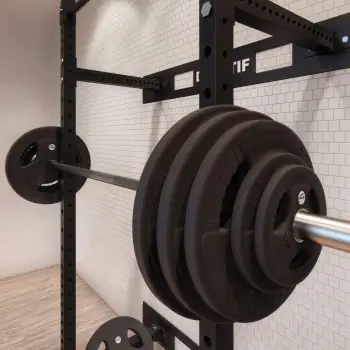
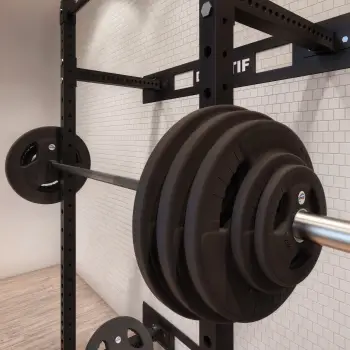
Barbell plates differ above all in the diameter of the centre hole: 28/29 mm for home standards, 50 mm for the Olympic standard. Always check compatibility between your barbell weights and the sleeves of the bar to avoid play and wear. The collar locks the plates in place and stabilises the load; without one, the risk of slipping increases. Also consider thickness: bumper plates take up more space on the sleeve, which is critical when loading 20 kg plates or heavier sizes for heavy lifts.
Symmetrical weight distribution is mandatory. Load the barbell in mirrored pairs and place the largest plates on the inside for convenience. To quickly work out the total load, add the weight of the barbell (often 15–20 kg in the most common models) to the barbell plates loaded. Follow standard procedure: barbell on the rack, barbell plates loaded all the way in, collars tightened. This routine reduces errors and makes your training repeatable.
Plates for Dumbbells and Home Gym
Dumbbell plates turn a pair of threaded or collar-type handles into a versatile tool for training arms, shoulders and back. Changing plate size quickly lets you adapt the intensity to different exercises, making the most of your session without multiplying equipment. For a home gym, kits with plate weights and collars are the most efficient solution in terms of cost, footprint and progression.
For beginners, a gym plate set with 1–2–5–10 kg plates already covers most of the fundamental exercises. As you gain experience, add micro plates to progress in small steps and intermediate sizes to keep your technique clean. The goal is not only "how much weight" but "how much control" over the movement: a modular set of gym plates allows steady progress with a clear sense of the load.
Weights, Plate Sizes and Load Progression
Plates in a range of weights cover typical sizes from 0.5 to 25 kg, with colours or markings for quick identification. Planning your progression means setting sustainable increments: +2.5 kg in total with micro plates is often the optimal threshold for maintaining technique and speed. In strength cycles, alternate weeks of accumulation and deload to manage fatigue. In bodybuilding, load progression remains a pillar, but the quality of the mechanical stimulus and the rep range make the difference.
Plan the load on the barbell before the set. Add up the plates on each side and check the collars again. If space on the sleeve is a limit, consider thinner powerlifting plates or calibrated plates. In garage gyms or shared gyms, favour rubber-coated plates to reduce vibration and noise. Choose the right compromise between ergonomics, thickness and budget, remembering that a consistent set of gym weight plates makes your training more precise.
Safe Use and Training Guidelines
Training with barbell plates requires clear procedures: load on the rack at the correct height, set your feet in a stable position, use collars on both ends. Avoid twisting with a loaded barbell and always clear the area around you. In technical lifts with bumper plates, perform drops on suitable flooring and not on hard surfaces. Safety is a habit that protects your equipment and the continuity of your programme.
If your goal is strength, keep a manageable buffer and balance volume and intensity. For hypertrophy, work on time under tension and eccentric control. Micro plates are the tool for breaking through plateaus without overhauling your technique. The quality of your setup is worth as much as the kg you load: focus on bar path, breathing and foot position, so that your plates become a precise tool and not an end in themselves.
Care, Cleaning and Storage
Maintenance preserves the value and safety of your gym plates. For cast iron models, remove dust, dry off any moisture and periodically apply a light film of mineral oil to exposed parts to prevent rust. Rubber-coated plates are cleaned with a damp cloth and neutral detergent, avoiding harsh solvents. Store the plates on dedicated storage racks to avoid knocks and chipping, and check the weight markings to keep them legible.
In damp environments, use shock-absorbing flooring and basic dehumidification. Do not store barbell plates directly on wet concrete. Regularly check the collars and the condition of the barbell sleeves: a clean fit reduces friction and extends the life of your equipment. Regular care costs little and maintains performance and safety over time.
Buying Online at Donatif
At Donatif you will find a wide selection of gym weight plates online with clear technical sheets: material, hole diameter, thickness, weight tolerance and intended use. The filters help you quickly put together a consistent gym plate set. If you are building a home gym, start with the essential sizes and gradually add the most-used weights; if you run a facility, consider multiple sets and spares for peak-attendance time slots.
Customer service supports you in choosing between standard or Olympic barbell plates, bumper plates for weightlifting, calibrated powerlifting plates and dumbbell plates for circuits. Add extra plate weights and micro plates to avoid jumps that are too big. Secure payments, tracked shipping and after-sales support complete the experience.
FAQ
What are gym weight discs called?
They are called weight plates or simply "plates". Depending on use, they are divided into cast iron plates, rubber-coated plates, bumper plates with a uniform diameter, calibrated plates for powerlifting and micro plates for minimal increases.
How do you put weights on a barbell?
Place the bar on the rack at the right height, load the barbell plates in pairs all the way in, then lock them with safety collars on both sides. Check that the load is symmetrical and do not move around with the barbell already loaded, to reduce the risk of instability.
What types of weight plates are there?
The main types are: cast iron for robustness and cost per kg, rubber-coated for protection and grip, bumper for lifts with a controlled drop, calibrated with reduced tolerance for competition, PVC for teaching and rehabilitation, plus micro plates for fine progressions.
What is the right hole diameter for my barbell?
Standard plates have 28/29 mm holes, while Olympic plates use 50 mm. Always match the hole to the sleeve of the bar and use compatible collars to avoid play and wear on the material.
How do you clean gym weight plates?
Use water and neutral soap with a soft cloth, then dry thoroughly. On cast iron plates, occasionally apply a light film of mineral oil to limit rust; on rubber-coated plates, avoid harsh solvents and prefer gentle detergents.
What are bumper plates used for?
They are designed for weightlifting and powerlifting with the option of dropping the bar to the floor. The uniform diameter and high-density rubber absorb the impact and protect the barbell and the floor, reducing noise and vibration.


 Budgets
 Dumbers
 Discs
 Benches
 Racks and Rigs
 Weights Holders
 Isotonic machines
 Calisthenics
 Cardio
 Kettlebells
 Flooring
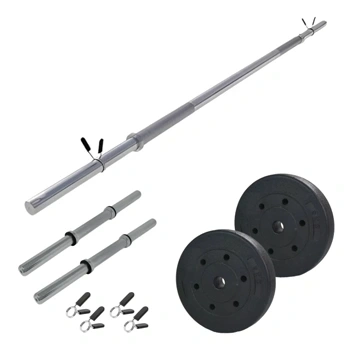 Gym Set
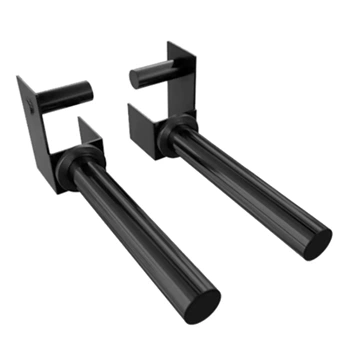 Accessories
 Combat
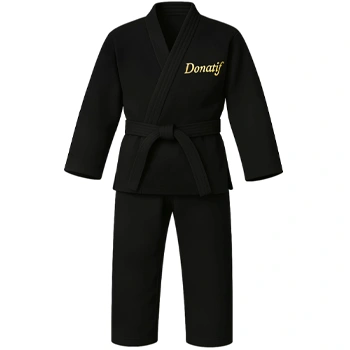 ARTI MARZIALI
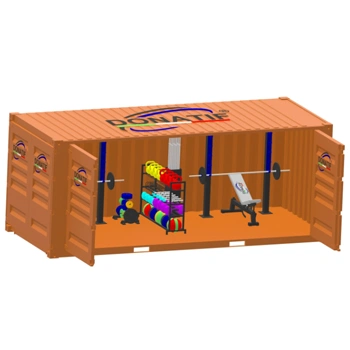 CONTAINER GYM
 Tug-Of-War
 Used Gym Equipment
 PILATES MACCHINARI
 GINNASTICA ARTISTICA
 CAMPI DA PADEL
 Prodotti in Pronta Consegna
 Informazioni
 IRONMAN
 Gift Card