Gym Barbells
Types of Barbells
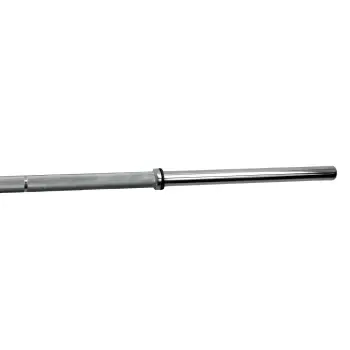
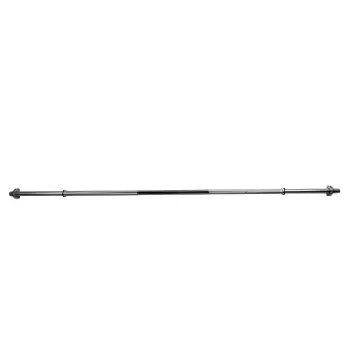
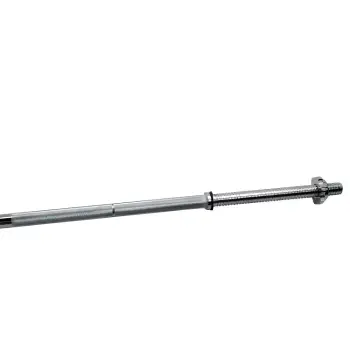
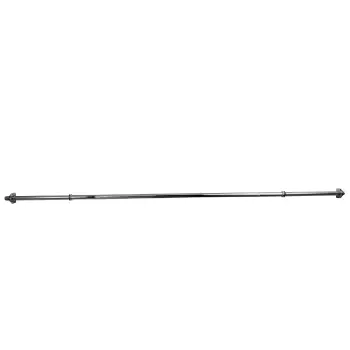
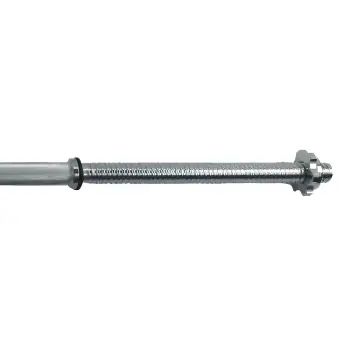
Barbells are not all the same. They change length, handle diameter, sleeve rotation type and load capacity. The correct choice affects safety, comfort and the quality of the technical gesture. In this section you will find a concise but complete guide to the main families: Olympic barbell for lifting and powerlifting, curved barbell (EZ) for work on arms and shoulders with less joint stress and standard barbells or specific barbells for targeted exercises such as squats and bench presses.
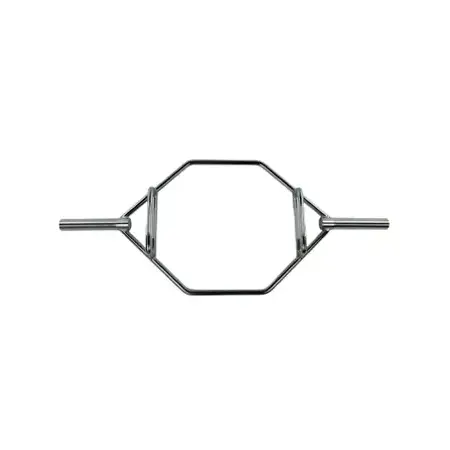
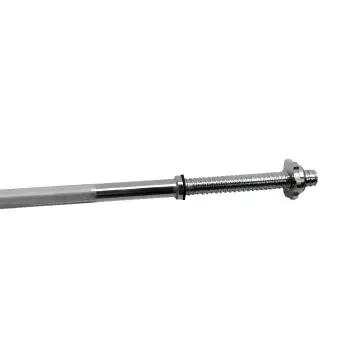
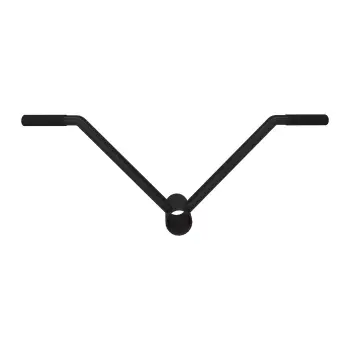
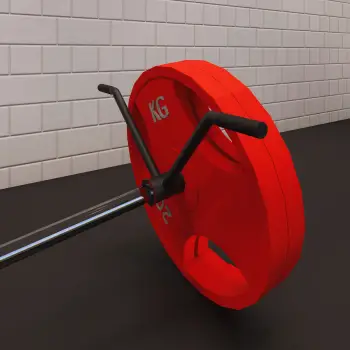
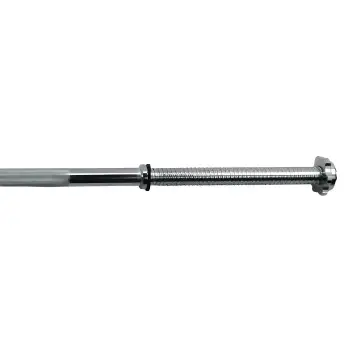
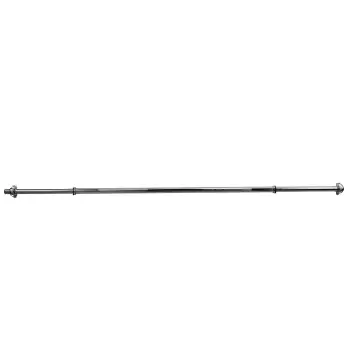
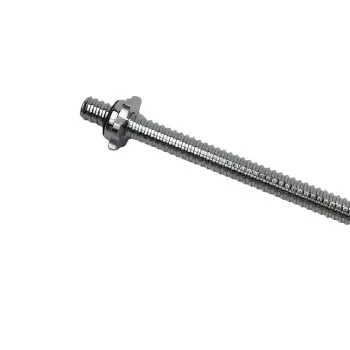
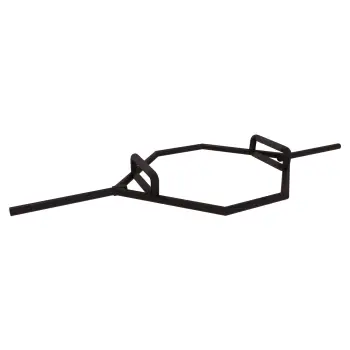
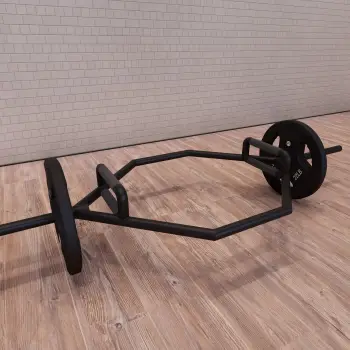
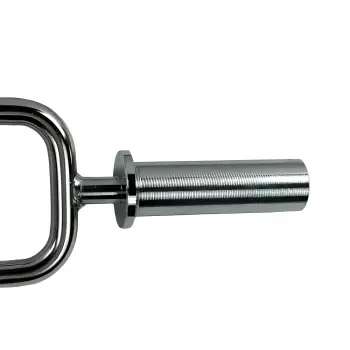
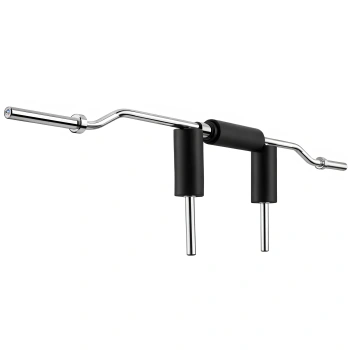
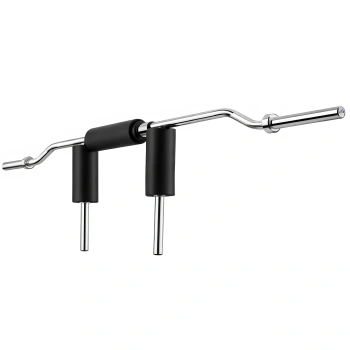
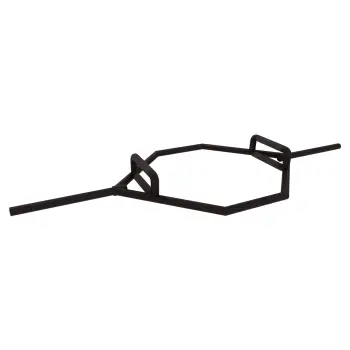
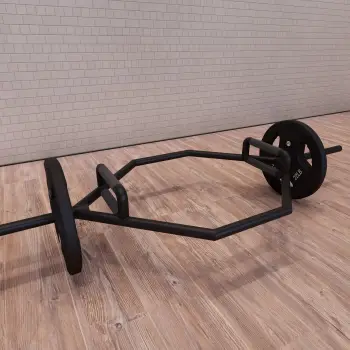
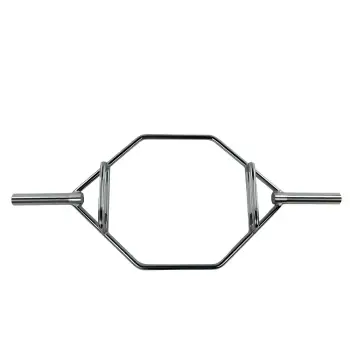
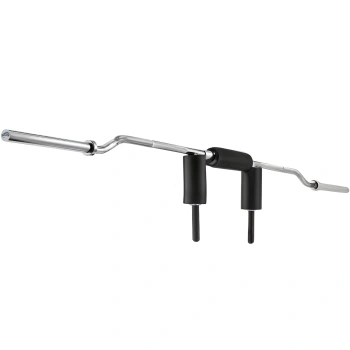
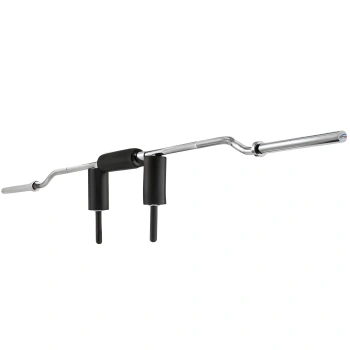
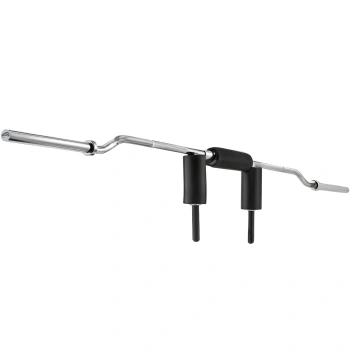
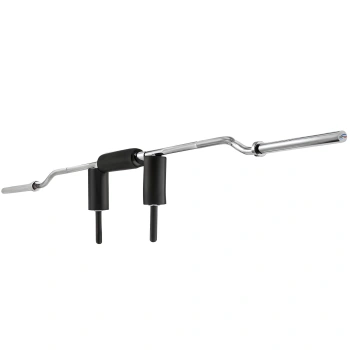
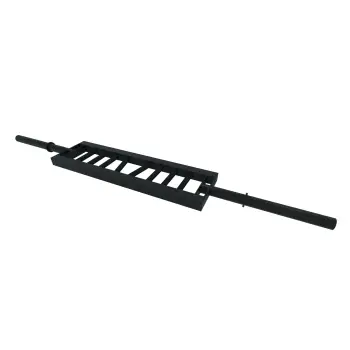
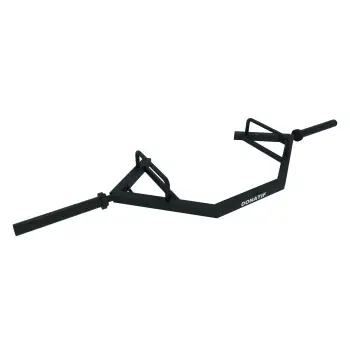
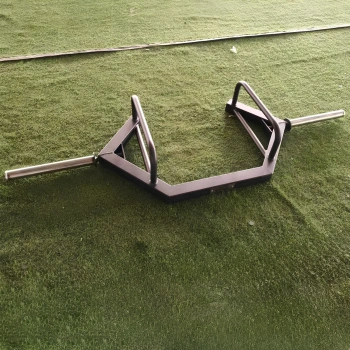
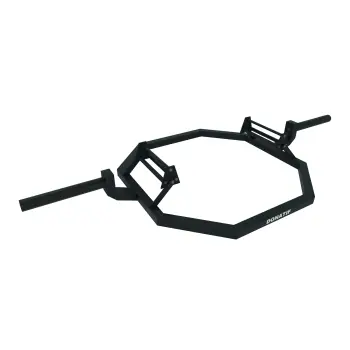
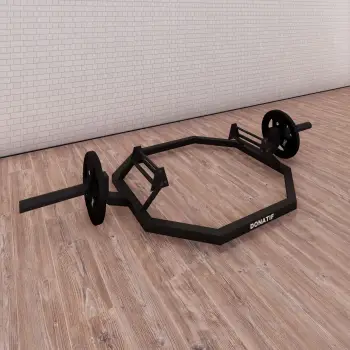
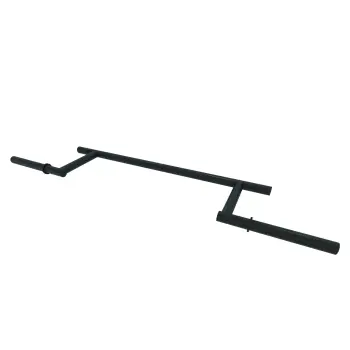
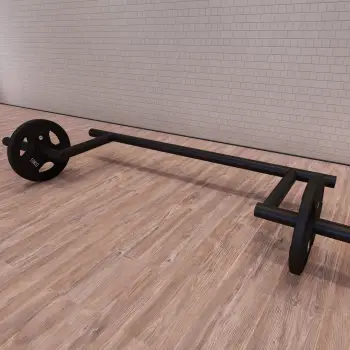
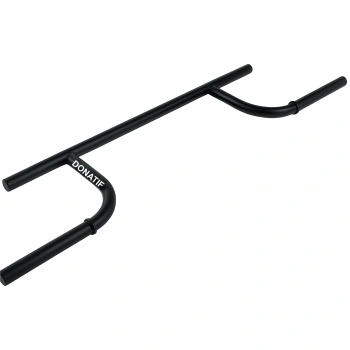
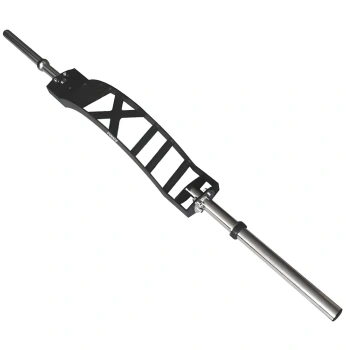
Also consider the "specialty" versions: trap bar for more technical and centered deadlifts, Smith Machine guided barbell for constrained trajectories and lighter technical bars to learn the technique. If you train at home with limited space, there are short bars of 120–150 cm compatible with 28 mm or 50 mm hole discs; For complete home gym or box setups, the reference lengths are 200–220 cm with 50 mm sleeves.
Olympic Barbell
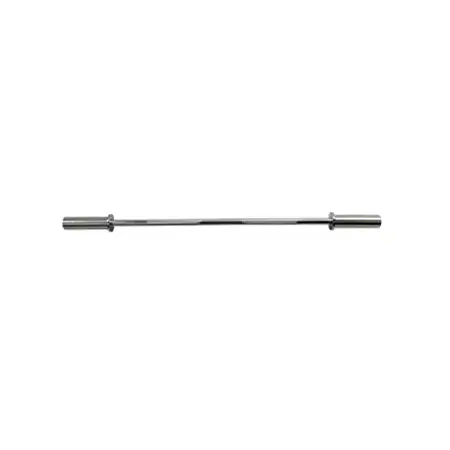
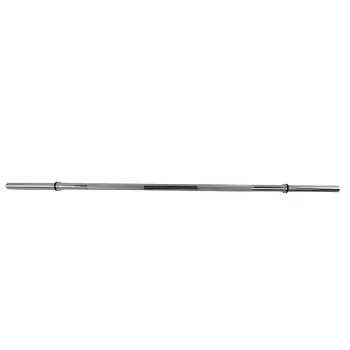
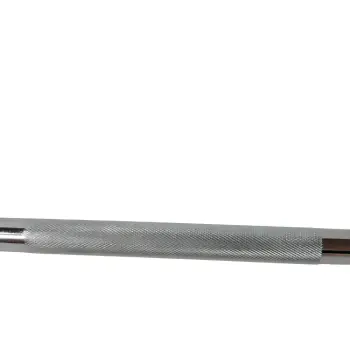
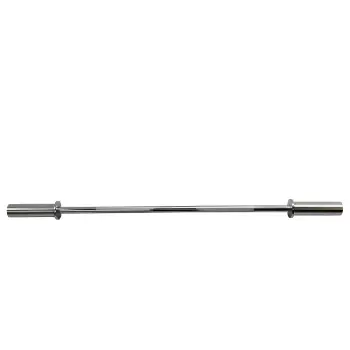
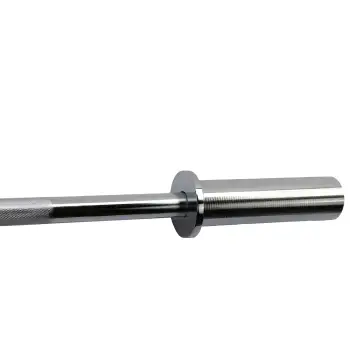
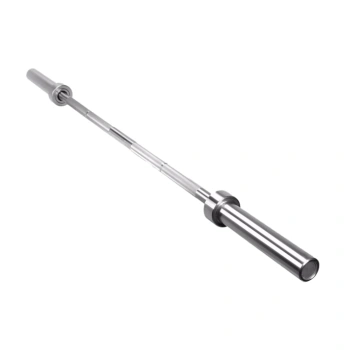
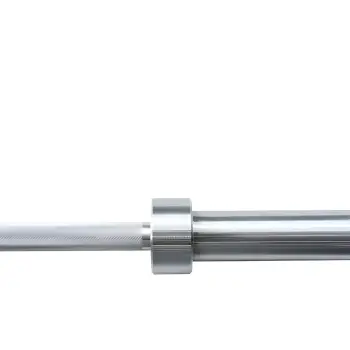
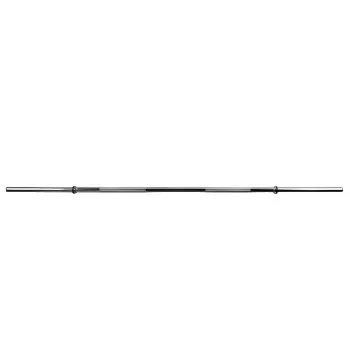
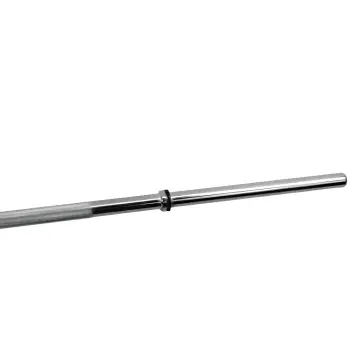
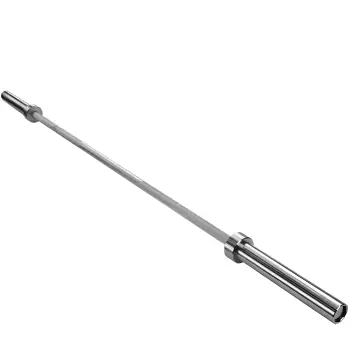
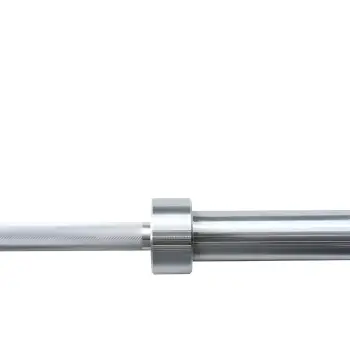
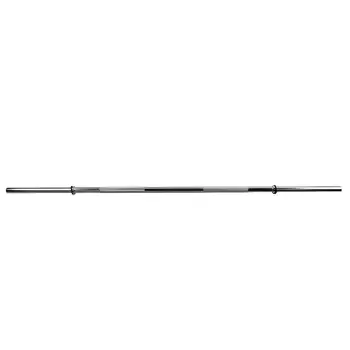
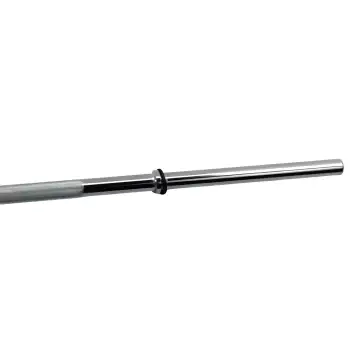
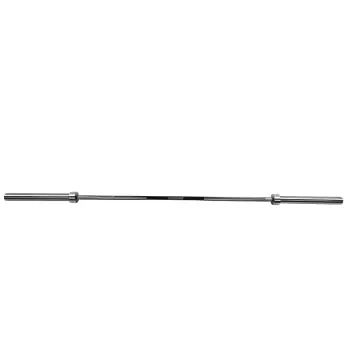
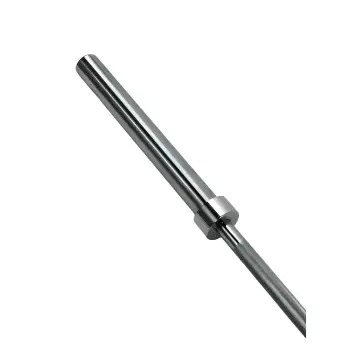
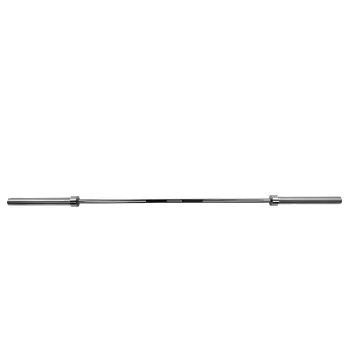
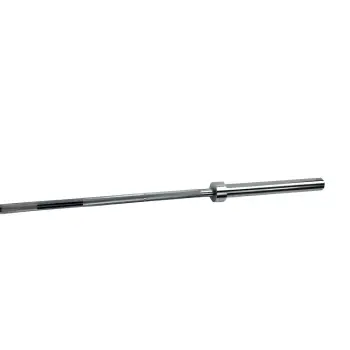
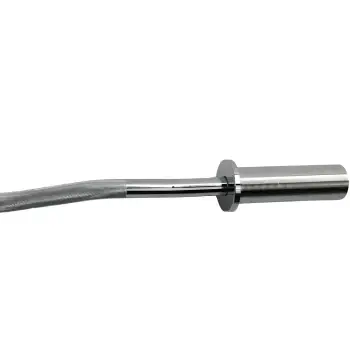
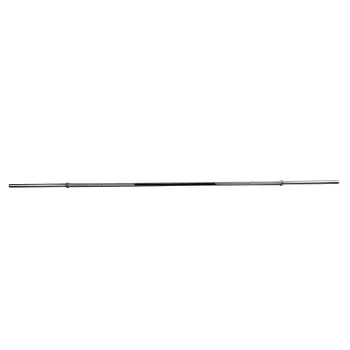
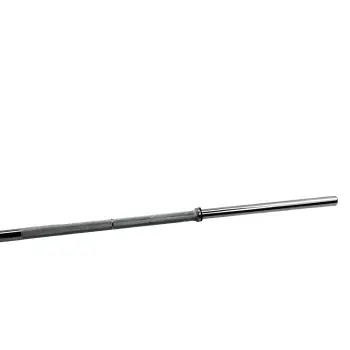
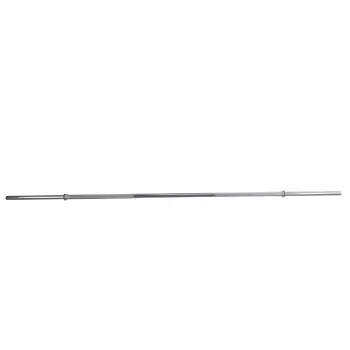
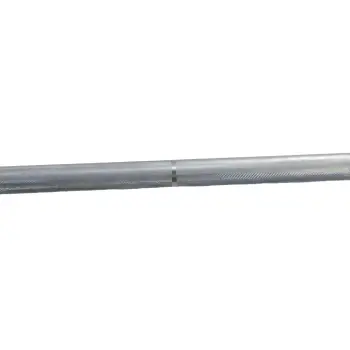
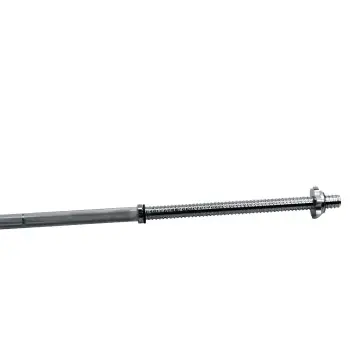
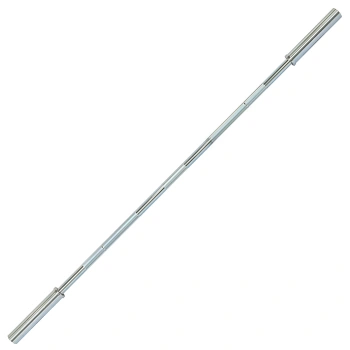
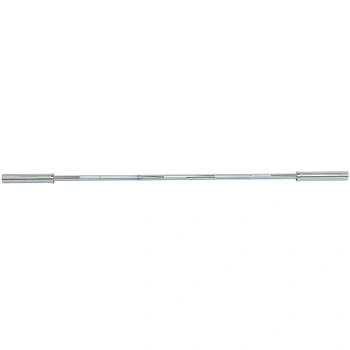
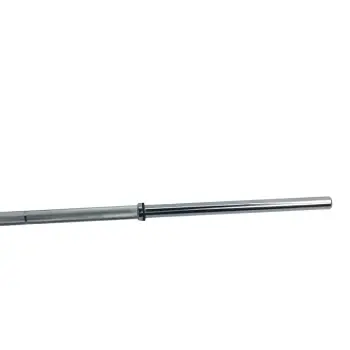
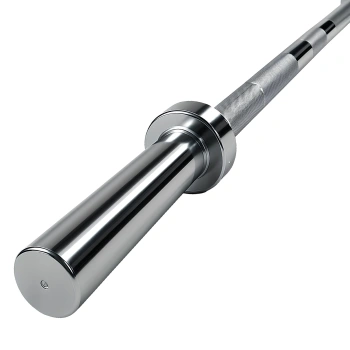
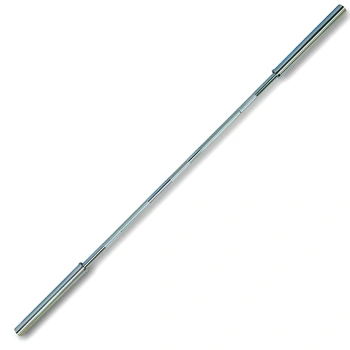
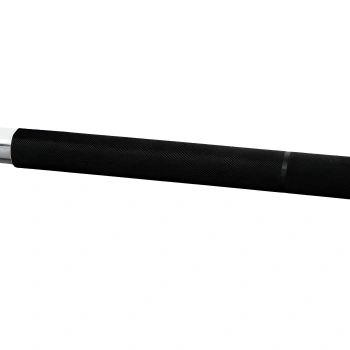
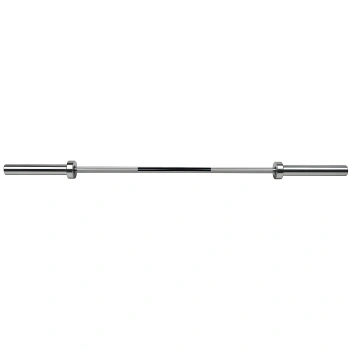
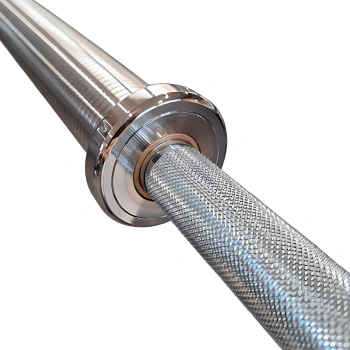
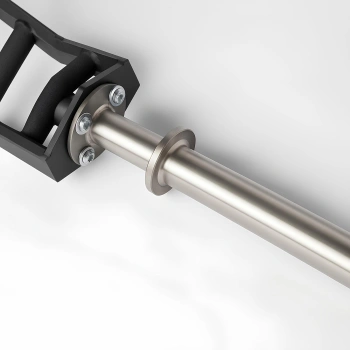
The Olympic barbell is the standard for high loads and explosive movements. It offers rotating sleeves with bearings or bushings to reduce twisting on wrists and elbows during jerks and slashes, as well as knurling designed to ensure a firm grip even with chalk or wet hands. The typical versions weigh 20 kg for the male model and 15 kg for the female model, with lengths around 220/201 cm and a handle diameter of 28–25 mm depending on the discipline.
If your goal is to grow in strength on squats, bench press , and deadlift, this is the most stable and durable bar. The load capacity is high and the rotation of the sleeves protects the joints when bumper discs are added in quantity. Always check for knurling, declared tensile strength and compatibility with racks and supports in your possession.
Curved Barbell (EZ)
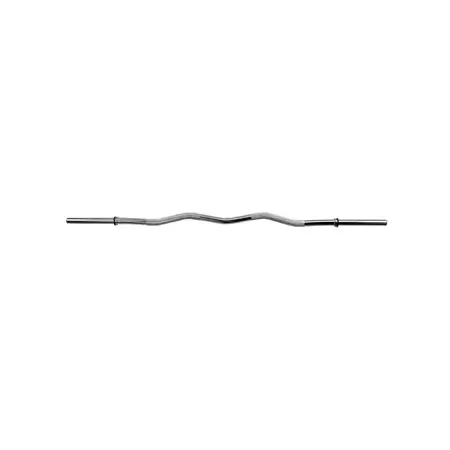
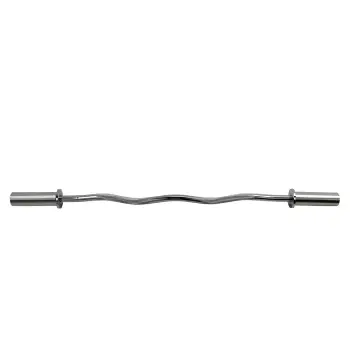
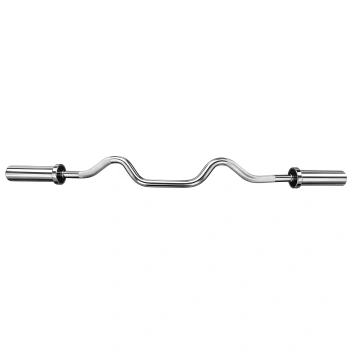
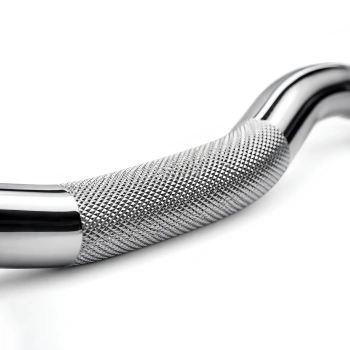
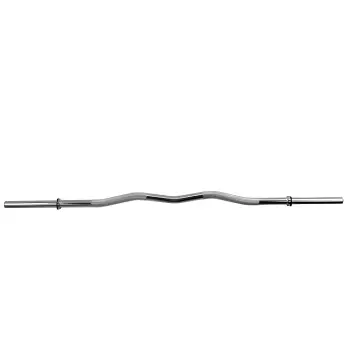
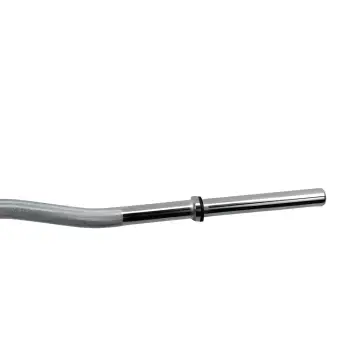
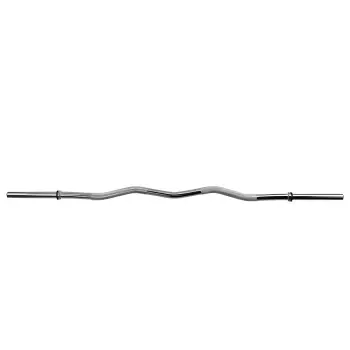
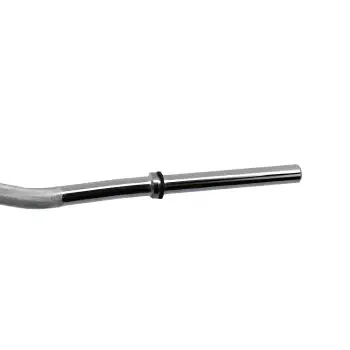
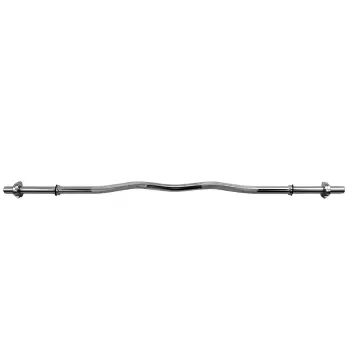
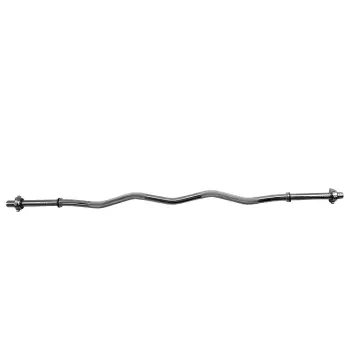
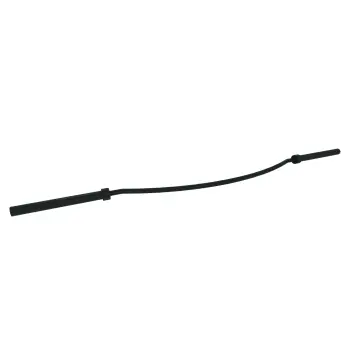
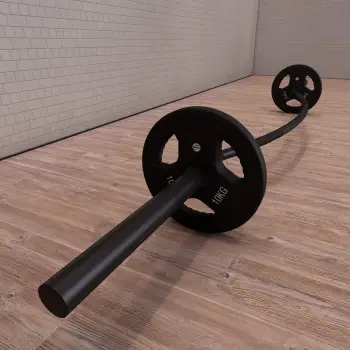
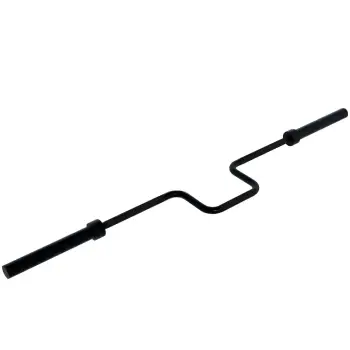
The curved barbell, or EZ bar, has angles that allow for a more natural grip for curls, French presses , and triceps and biceps work. The position of the hands reduces the extra rotation of the forearm and limits stress on the wrists and elbows, making it suitable for medium-high volumes of work and for those who prefer a "softer" feeling than the straight bar.
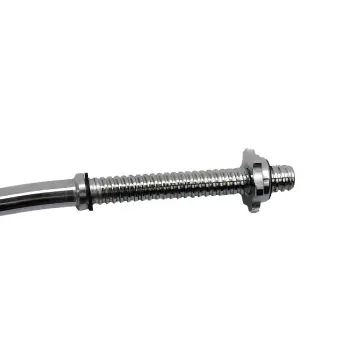
For those who train their arms at home, the EZ bar is practical because it is short, easy to handle and compatible with 28 mm or 50 mm weight plates depending on the model. Combined with quality disc stops , it allows quick and safe weight changes and perfectly completes the work with dumbbells, offering new widths and trajectories.
Standard Barbell and Variants
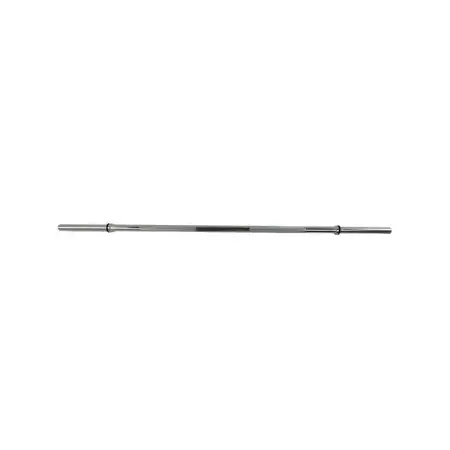
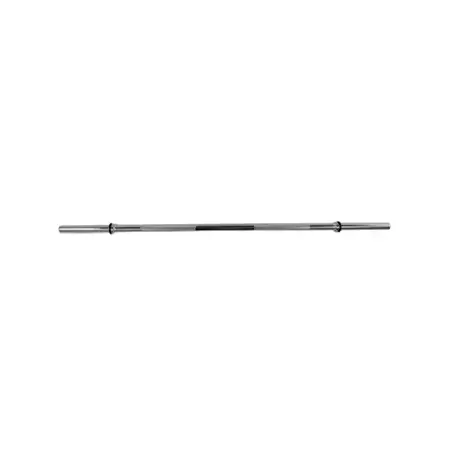
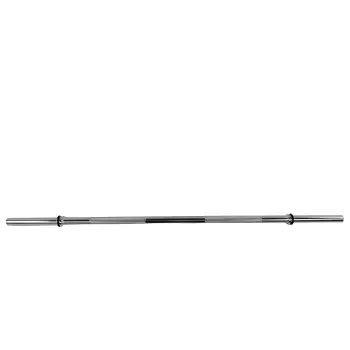
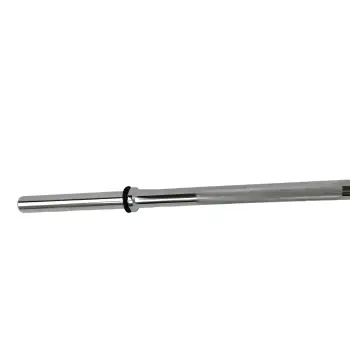
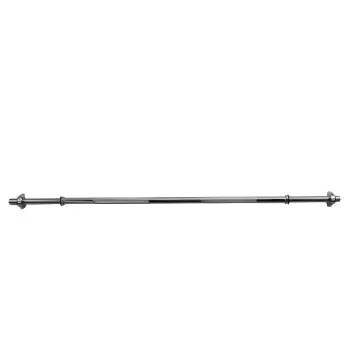
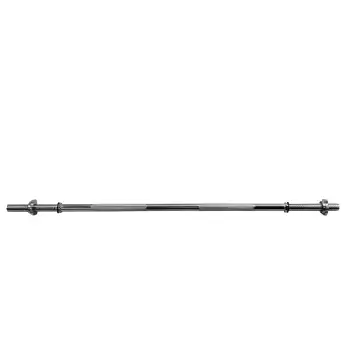
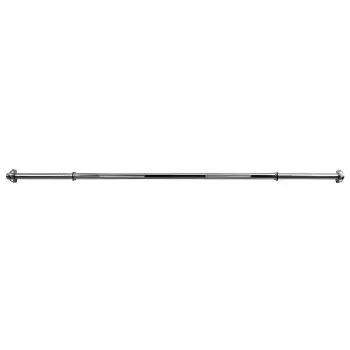
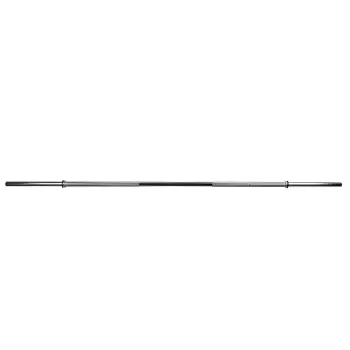
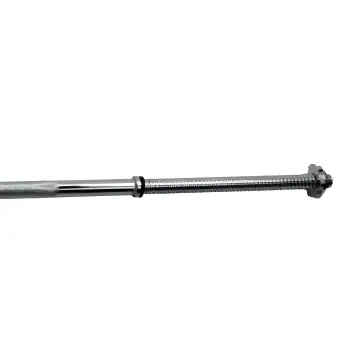
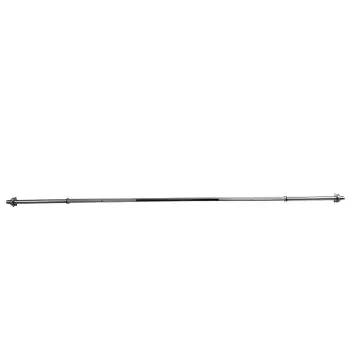
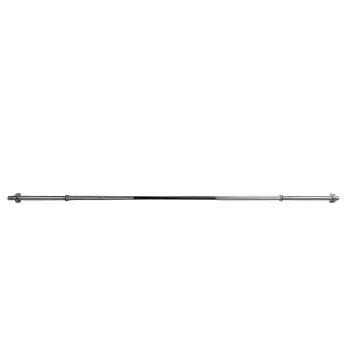
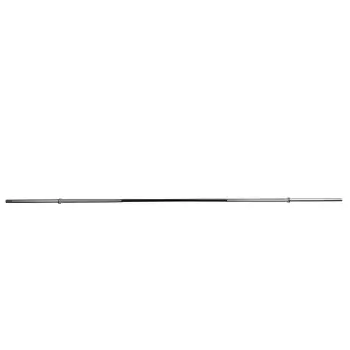
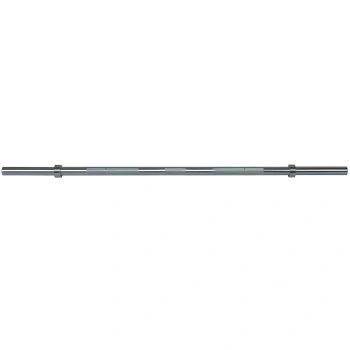
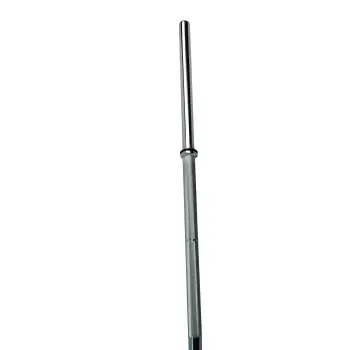
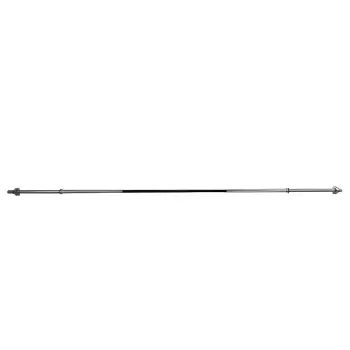
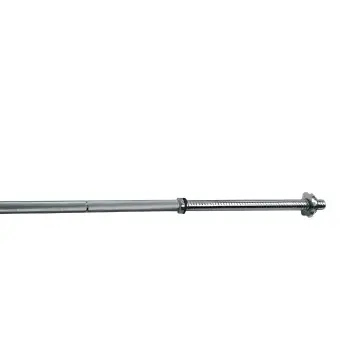
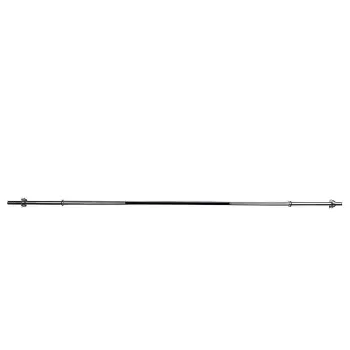
Standard barbells cover general uses such as rows, military presses, and lunges. They are available in various lengths and diameters, often with different flow rates for beginner or intermediate targets. If space is limited, the 150–180 cm bars allow for full sessions with compact racks, while maintaining a good feeling of balance and control when lifting.
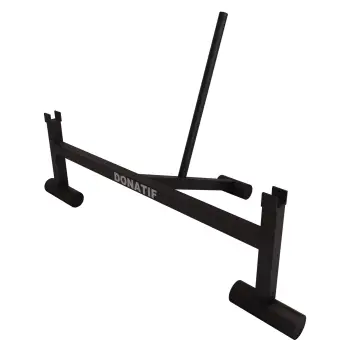
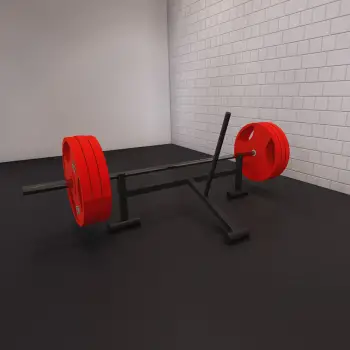
Variants include squat bars with central knurling for greater grip on the back and trap bars for deadlifts performed with a more vertical back. Evaluate compatibility with your rocker mount and with the plates you already have to avoid unnecessary adapters and optimize your budget.
Barbell Training
The barbell is the most efficient tool for building overall strength and muscle mass. With a single bar you work on complete kinetic chains, better coordination and stability and manage precise load increases thanks to fractional discs. Exercises such as squats, bench presses and deadlifts create a solid foundation on which to insert accessory variants and planned intensity cycles.
In the home environment, you can achieve effective sessions with just a few elements: barbell, disc set, an adjustable bench, and a stable rack . Work on 2–4 multi-joint exercises, take care of your technique, manage your recovery, and log loads to track real progress without relying on sensations. For those who practice Cross Training, the barbells with 50 mm sleeve and bumper are ideal for controlled drops and dynamic work.
Fundamental Barbell Exercises
Squat: place the barbell on the trapezius, feet hip-width apart, controlled descent and ascent by pushing "screw" into the feet. Flat bench with barbell: adducted shoulder blades, stable set-up and vertical trajectory with controlled stop at the chest. Deadlift: barbell near the shins, neutral spine, hip and knee thrust in synergy. These movements generate systemic adaptations and are the basis of any sensible program.
Add variants for specific needs: front squat for quadriceps and posture, barbell row for the back chain, military press for shoulders and core stability. Maintain gradual progression, use disc stoppers and always check the set-up before heavy sets.
Barbell Trained Muscles
With a gym barbell you train your legs, buttocks, back, chest, shoulders and arms in an integrated way. Multi-joint exercises involve deep stabilizers and improve the transmission of force from the feet to the hands, which is useful both in performance and in daily activities. Proper periodization avoids plateaus and promotes measurable progress week after week.
The difference compared to dumbbells alone is the possibility of safely loading larger loads on balanced trajectories. This translates into higher mechanical stimulus for the same training time. Then integrate accessory work with dumbbells or bodyweight to cover complementary angles and ranges of motion.
How to Choose the Right Barbell
Define your goal, space, budget, and level. For maximum strength and structured progressions, oriented on an Olympic barbell with a 50 mm sleeve; For frequent arms and insulation work, add a curved barbell. If the environment is home, measure rack and bench, check the internal width for safe racking and compatibility with existing disks . Safety comes from clear specifications and correct fits.
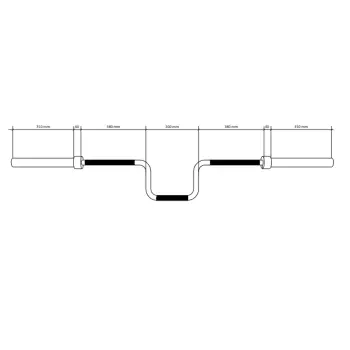
Check technical parameters: handle diameter (25/28 mm depending on use), length (150 to 220 cm), anti-corrosion finish, knurling and maximum load-bearing capacity. For beginners, the quality of the bar is more important than the absolute load: smooth rotation and uniform knurl make the difference in grip technique and grip.
Barbell Weight and Size
FAQs: How much does a barbell weigh? It depends on the model. Olympic bars are typically 20 kg (men) and 15 kg (women); standard barbells for home gym can range from 8 to 12–13 kg; Short bars can also reach 6–7 kg. Length affects leverage and stability: 200–220 cm for full setups, 150–180 cm for small rooms without sacrificing playing quality.
Always check the manufacturer's stated data: weight tolerances, tensile strength, finish (chrome, zinc plating, black oxide) and the presence of center knurling if you squat often. If you aim for the heavy flat bench, prefer bars with less flexibility and excellent grip; For Olympic lifts, look for sleeves with bearings and consistent spin.
Tips for Beginners and Advanced
Beginners: Start with a well-built, albeit lighter, barbell and discs that allow for small increments (0.5–1.25–2.5 kg). Focus on technique with moderately challenging sets and linear progression. Avoid maximum loads until you consolidate your stance and range of motion, and always use disc stops for safety.
Advanced: Curate periodization, grip and ROM variations, alternate volume and intensity cycles, and choose a bar consistent with the mesocycle goal. If you work indoors, make sure that the barbell support, bench and floor with technical mats are up to the expected loads. The quality of the bar and the discs is reflected in the repeatability of the gesture when the percentages go up.
Accessories and Supports
Barbell accessories extend possibilities and safety. The disc stoppers prevent accidental sliding, the squat pads protect the trapezius during the learning phases, the straps can help in the deadlift without turning into permanent crutches. A set of bumper plates preserve the floor and bar, while fractional plates optimize progression when jumps of 5 kg are too large.
For the order and durability of the equipment, you need a barbell rack or a dedicated disc holder . Keeping the bar off the ground prevents oxidation and bending over time, while the correct storage of the discs speeds up changes between exercises. Investing in the right media is an integral part of safety, not an optional extra.
Weights and Plates for Barbells
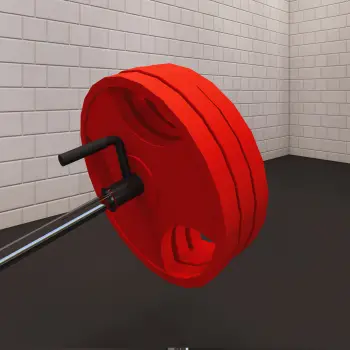
Barbell plates differ in material, coating, bore diameter and weight tolerance. The most popular in home gyms are cast iron discs and rubberized discs; In the pits, bumpers are often used to cushion the impact. Choose according to the type of training, the acceptable noise and the type of flooring. 28 or 50 mm hole compatibility is a primary constraint: don't neglect it.
To start a balanced set, combine pairs of 1.25–2.5–5–10–15–20 kg. This allows for fine progressions and versatile overall loads. Remember to include reliable locking collars – they are small, but their function is critical to the safety and consistency of the lift.
Disc Clips and Racks
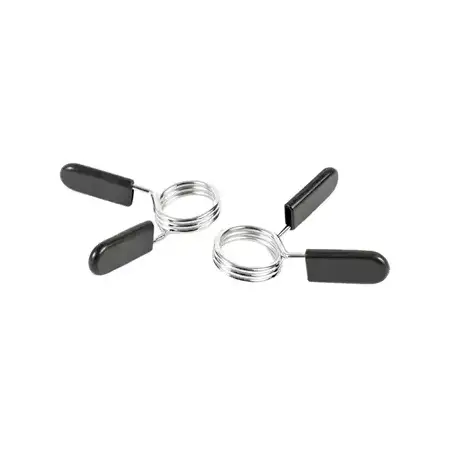
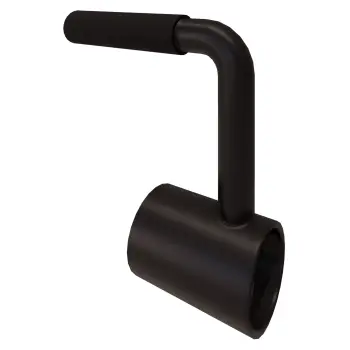
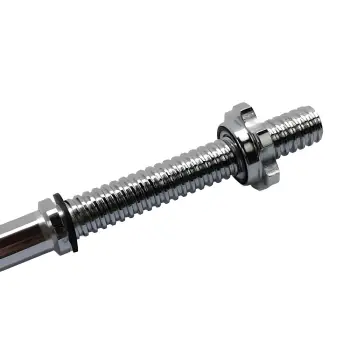
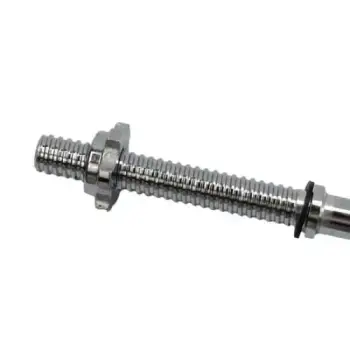
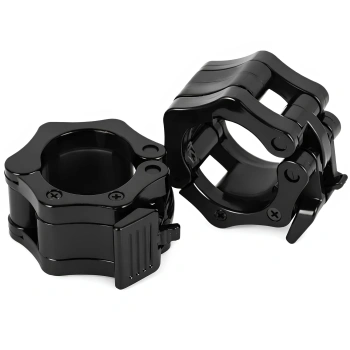
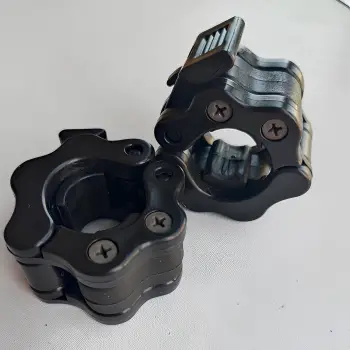
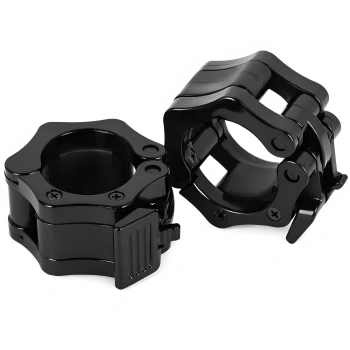
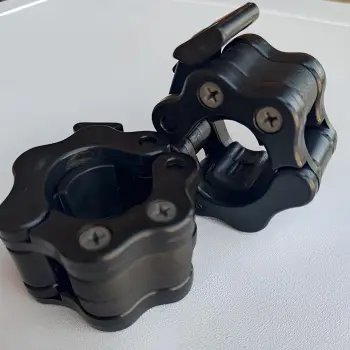
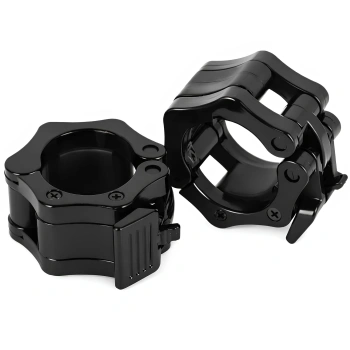
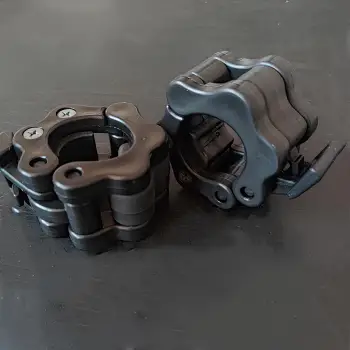
The disc holders must tighten evenly without damaging the sleeves and finishes. Lever models offer speed and tightness, spring models are economical and sufficient for moderate loads. The correct choice reduces micro-shifts that alter balance and trajectory, especially in heavy sets or dynamic exercises.
The racks allow vertical or horizontal storage of the barbells and organization of the discs by diameter. An uncluttered environment is safer and reduces downtime. If you often train with partners, consider racks with double hooks and adjustable safety arms to work quietly even without a spotter.
Professional Barbells Online on Donatif
Buying on Donatif means selecting tested barbells and accessories , with clear technical specifications and dedicated assistance. Each product sheet indicates real bar weight, load capacity, disc compatibility and usage tips for exercises such as bench press, squat and deadlift. Plus, bundle solutions allow you to save money and receive everything in one shipment.
Whether you're building a home gym or upgrading studio equipment, you'll find the right barbell for your goal and level here. From technical models for learning the technique to Olympic barbells intended for high loads, the proposal is designed to ensure reliability, progression and longevity over time.
Barbell FAQs
How much does the barbell weigh in the gym?
It depends on the model: a standard Olympic barbell weighs 20 kg (men's version) or 15 kg (women's version), while many "standard" home gym bars weigh between 8 and 12–13 kg. There are also lighter technical bars to learn the correct execution of movements.
Which barbell to use for bench press and squat?
For bench presses and squats , an Olympic barbell with a 50 mm sleeve, good knurling and high reach is recommended. If you do a lot of squats, the central knurling is useful to stabilize the bar on the back. For arm work, choose a curved barbell (EZ) to reduce stress on your wrists and elbows.
What diameter to choose for the barbell plates?
The two main standards are 28 mm and 50 mm. The 50 mm is the Olympic standard and allows the use of professional bumpers and collars; The 28 mm is popular in home gyms and on more compact bars. Choose based on the bar you own or intend to purchase to ensure full compatibility.
How do I calculate the total weight on the barbell?
Add the weight of the bar to the weight of the mounted discs . Example: 20 kg bar with two 10 kg discs per side equals 20 + 40 = 60 kg total, excluding disc stops. For fine progressions, use 0.5–1.25–2.5 kg split discs.







 Budgets
 Dumbers
 Discs
Discs
 Benches
 Racks and Rigs
 Weights Holders
 Isotonic machines
 Calisthenics
 Cardio
 Kettlebells
 Flooring
 Gym Set
 Accessories
 Used Gym Equipment
 Combat
 ARTI MARZIALI
 Tug-Of-War
 CAMPI DA PADEL
 PILATES MACCHINARI
 GINNASTICA ARTISTICA
 Gift Card
 Informazioni